
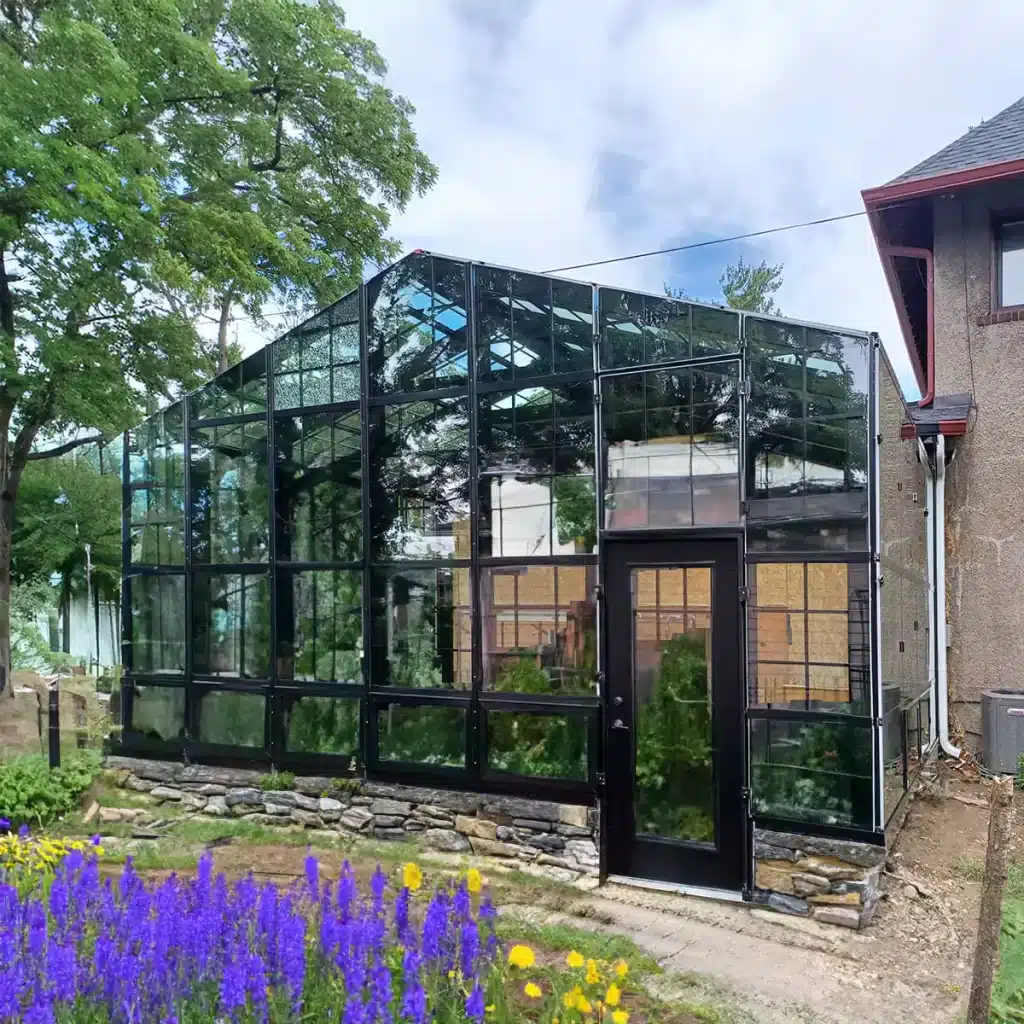
If you dream of adding more natural light, warmth, and beauty to your home, you may find yourself torn between two popular options: a sunroom or a greenhouse. Both structures allow you to enjoy sunlight year-round, both can increase your home’s value, and both create a calming space connected to nature. But they serve different purposes — and choosing the right one depends on how you plan to use it.
Whether you want a cozy retreat for relaxation, a bright space for indoor dining, or a dedicated area for growing plants, this guide will help you confidently decide between a sunroom and a greenhouse.
We’ll help you evaluate your options so you can determine which structure is the best fit for your needs, lifestyle, and goals.
1. What’s the Difference Between a Sunroom and a Greenhouse?
Many homeowners also ask, “What is the difference between a sunroom and a solarium?” and the answer is similar: the intended use is what matters most. Conservatories are another type of glass-enclosed living space, designed for comfort and natural light, and are distinct from greenhouses and sunrooms.
A Sunroom Is for Living
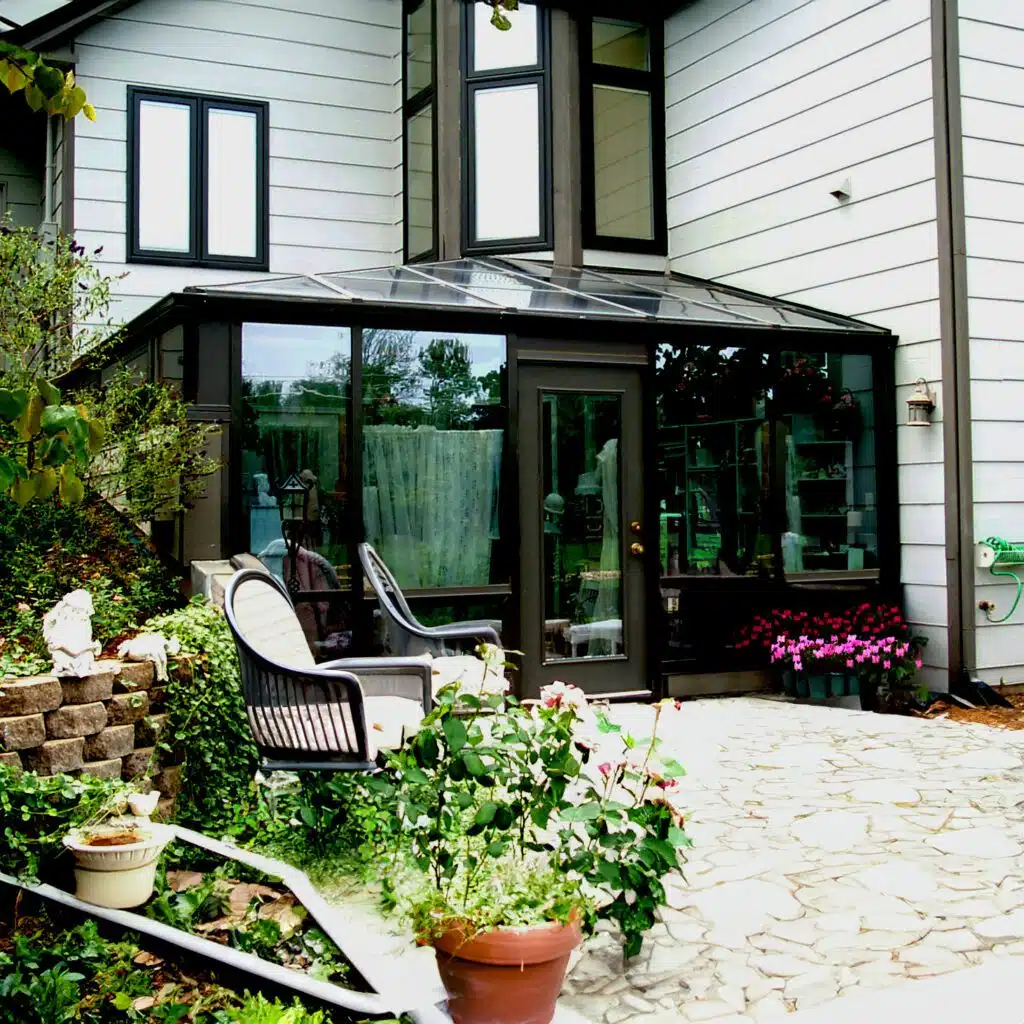
A sunroom is an extension of your living space. It’s designed for comfort, everyday use, and year-round enjoyment. With energy-efficient framing and high-performance glass, a sunroom feels like a natural part of your home — just brighter and more open. The design allows the sunroom to blend seamlessly with the rest of your house, enhancing both comfort and usability.
Common uses of a sunroom:
- Lounge or family room
- Home office
- Dining space
- Reading room
- Indoor garden area (light plant use)
Most people want to know: 👉 Can a sunroom be used in winter? Yes — especially when built with insulated frames and Low-E glass. Many homeowners also add electricity or HVAC, ceiling fans, or custom sunshades to keep temperatures comfortable year-round.
A Greenhouse Is for Growing
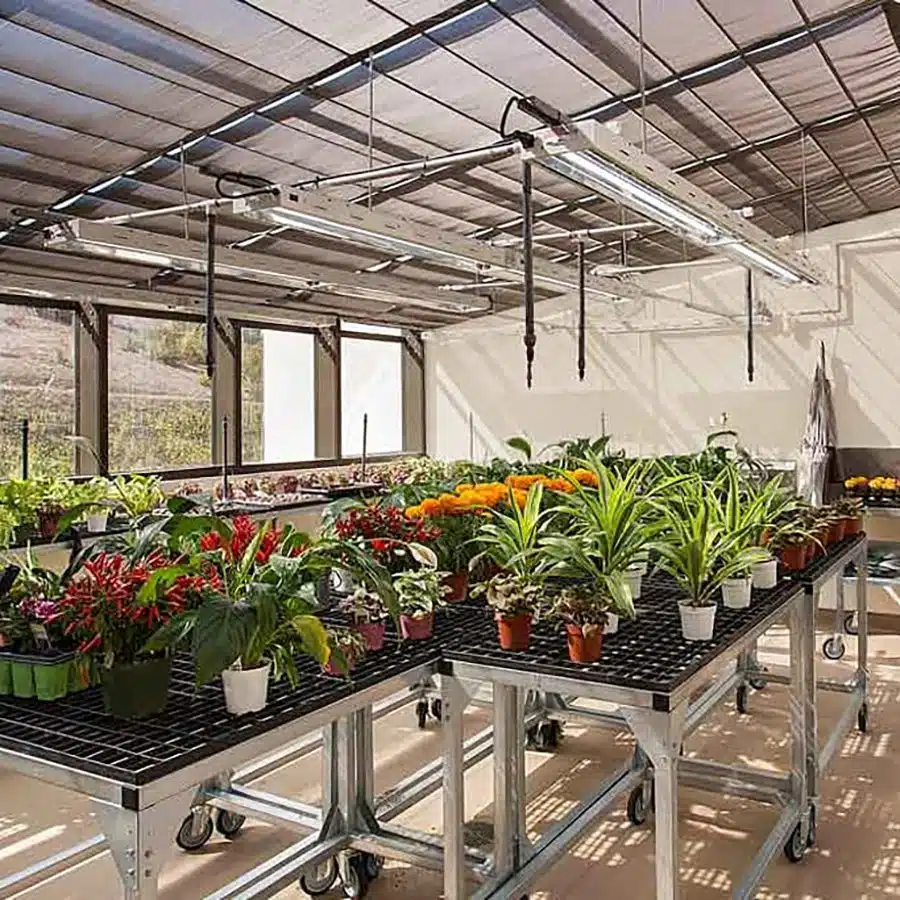
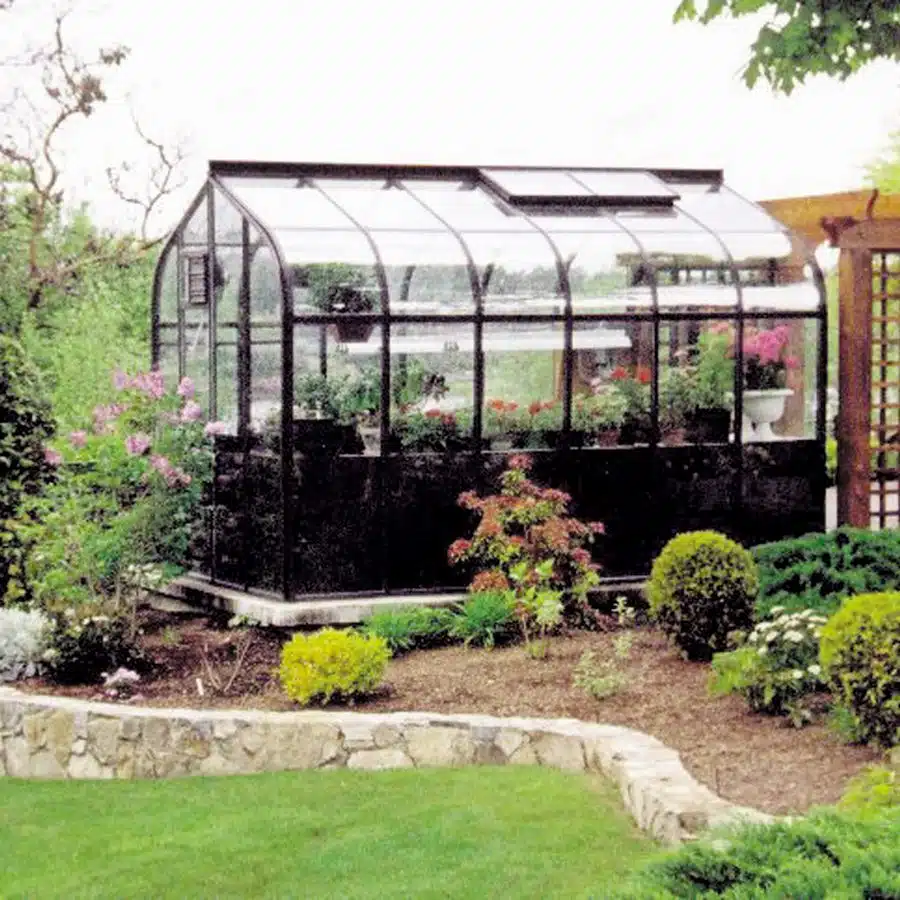
A greenhouse, on the other hand, is designed specifically for plants. The structure prioritizes light, humidity, and heat, providing ideal conditions for gardening enthusiasts.
Greenhouses often feature:
- Maximum glass exposure
- Temperature and humidity control
- Venting for airflow
- Durable floors that handle water
- Benches and shelves for growing space
If your main priority is cultivating plants, vegetables, or orchids, a greenhouse sunroom gives you that control. Greenhouses are also ideal for growing crops that require more space and specialized conditions.
2. What’s Your Primary Goal? (This Determines Everything)
To choose between the two, ask yourself: What are the key factors—such as your local climate, intended use, and maintenance requirements—that will influence your decision?
A greenhouse is still the better choice if growing is your main purpose. Whichever option you choose, planning your project carefully will ensure the best results.
Do you want a living space or a growing space?
This is the single biggest factor.
Choose a sunroom if you want:
- A bright, beautiful room to relax in
- A comfortable space with furniture
- Extra square footage that feels like part of the house
- A room that can be heated and cooled like any other space
- A structure that adds strong resale value
Choose a greenhouse if you want:
- A dedicated environment for plants
- The ability to grow vegetables year-round
- Higher humidity levels
- Special ventilation features
- A space where moisture and water exposure don’t matter
If you love plants but still want a comfortable gathering space, many homeowners ask: 👉 Can a sunroom be converted into a greenhouse?Yes — but only to a degree. A greenhouse is still the better choice if growing is your main purpose.
Assessing Your Space: Is Your Property Suitable?
Before deciding on a sunroom, greenhouse, or conservatory, it’s essential to take a close look at your outdoor space and determine what’s possible. Start by observing how much natural light your property receives throughout the day. A sunny room or area that’s bathed in natural sunlight is perfect for a solarium or greenhouse, as both structures thrive in bright conditions for warmth and plant growth. If your yard has a spot that gets partial shade, a conservatory can still offer a bright, inviting living space while blending beautifully with your landscape.
Consider the size and shape of your available space. Is there enough room for a new structure without crowding your garden or blocking views? Take note of existing features like patios, porches, or decks—these can often be incorporated into your new indoor enclosure, creating a seamless transition between your home and the outdoors. Think about how a new solarium, greenhouse, or conservatory will enhance your home’s value and overall appeal, providing a light-filled enclosure that supports both outdoor living and relaxation.
By carefully assessing your property’s sunlight, layout, and existing features, you’ll be able to choose the structure that best fits your needs—whether you want a space for growing plants, a bright room for relaxing, or a versatile enclosure that brings the outdoors in.
3. Climate Control: Heating, Cooling & Insulation
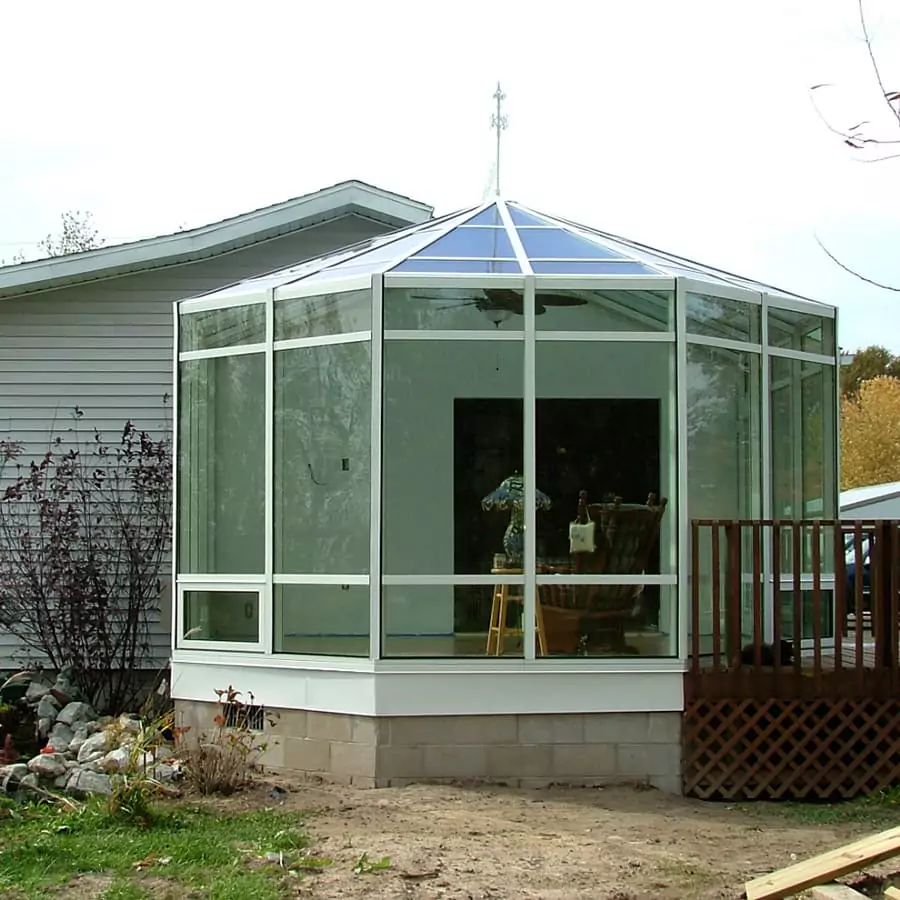
Climate control is one of the biggest differences between the two.
Sunrooms built by Sunshine Rooms are designed to be energy efficient, even during extreme temperatures. Thanks to insulated glass and integrated heating systems, both sunrooms and solariums remain comfortable during the colder months, making them ideal for year round use.
Sunrooms = Year-Round Comfort
People often ask: 👉 How do you heat a solarium or sunroom in the winter?Options include mini-split HVAC units, radiant floor heating, and insulated Low-E glass. Sunrooms built by Sunshine Rooms are designed to be energy efficient, even during extreme temperatures.
A well-designed sunroom or solarium can be enjoyed comfortably in all four seasons, providing a relaxing space regardless of the weather outside.
To keep cool, homeowners rely on:
- Ceiling fans
- Ventilation windows
- Custom sunshades
- High-performance insulated glass
- The solarium’s walls, made entirely of glass, maximize sunlight exposure and comfort year-round
Greenhouses = Plant-Optimized Environments
Greenhouses prioritize plant health, not human comfort. They provide essential plant protection from changing weather and environmental stressors, ensuring that crops and flowers thrive year-round. They may be warm, humid, and sunny — great for tomatoes, not always ideal for lounging.
4. Glass, Structure & Materials
Choosing the right materials impacts durability and maintenance. Sunrooms and solariums are often fully or partially enclosed with glass, which enhances natural light and provides year-round usability.
4.1 Glass: The Heart of Sunrooms and Solariums
Glass is the defining feature of both sunrooms and solariums. Solariums are designed with both the walls and ceilings made of glass for maximum sunlight.
Proper lighting systems are also essential in the design and installation of sunrooms and greenhouses to ensure optimal functionality and comfort.
Sunrooms Use Insulated, High-Performance Glass
When asking what type of glass is best for a sunroom, the answer is typically: ✔ Tempered or laminated Low-E insulated glass
This ensures:
- UV protection
- Reduced heat transfer
- Safety and strength
- Comfort in all seasons
Solariums with high-performance glass can also create a modern aesthetic that enhances your home’s style.
Greenhouses Use Maximum-Light Glass or Polycarbonate
Polycarbonate is common in greenhouses, but homeowners often compare the pros and cons of glass vs polycarbonate:
| Material | Pros | Cons |
| Glass | Clear, attractive, long-lasting | Higher cost |
| Polycarbonate | Lightweight, diffuses light | Scratches, discolors over time |
5. Foundation, Permits & Installation Timeline
Homeowners frequently ask: When planning for a sunroom or greenhouse, it’s important to consider your budget, as costs can vary depending on the type of structure, installation, and customization options.
Patio Enclosures: A Third Option to Consider
If you’re looking for a flexible way to enjoy your outdoor space year round, patio enclosures are a fantastic option to consider alongside sunrooms and greenhouses. Unlike a greenhouse, which is designed mainly for plant growth, or a sunroom, which extends your living space, a patio enclosure offers the best of both worlds—combining comfort, protection, and a strong connection to nature.
Patio enclosures can be attached to your existing home or built as a freestanding structure, making them a versatile addition to any property. They often feature regulated climate controls, such as heating and cooling systems, so you can relax in a sunny room no matter the season. With glass ceilings, large windows, and transparent walls, patio enclosures flood your space with natural sunlight and provide stunning views of your garden or landscape.
For gardening enthusiasts, patio enclosures offer numerous benefits. They allow you to grow plants and protect them from the elements, while still enjoying the fresh air and beauty of your outdoor living area. These enclosures can be customized with features like sliding doors, screened windows, and even ceiling fans, making them ideal for both relaxation and entertaining guests.
By adding a patio enclosure, you create a unique, functional space that enhances your home’s appeal and supports your well-being. Whether you want to unwind in a bright, climate-controlled room, grow plants year round, or simply enjoy the outdoors in comfort, patio enclosures provide a stylish and practical solution for modern outdoor living.
6. Maintenance: Which Is Easier to Maintain?
Sunrooms Require Regular Cleaning and Seal Maintenance
- Clean glass a few times per year
- Inspect seals (which typically last 15–20 years)
- Understand how to prevent condensation in a sunroom
- Ensure drainage channels remain clear
Greenhouses Require Higher Maintenance
Because of humidity, plants, soil, and moisture, greenhouses require:
- More frequent cleaning
- Pest control
- Ventilation monitoring
- Occasional glazing replacement
For many homeowners, a sunroom is the lower-maintenance choice.
7. Home Value & Aesthetics
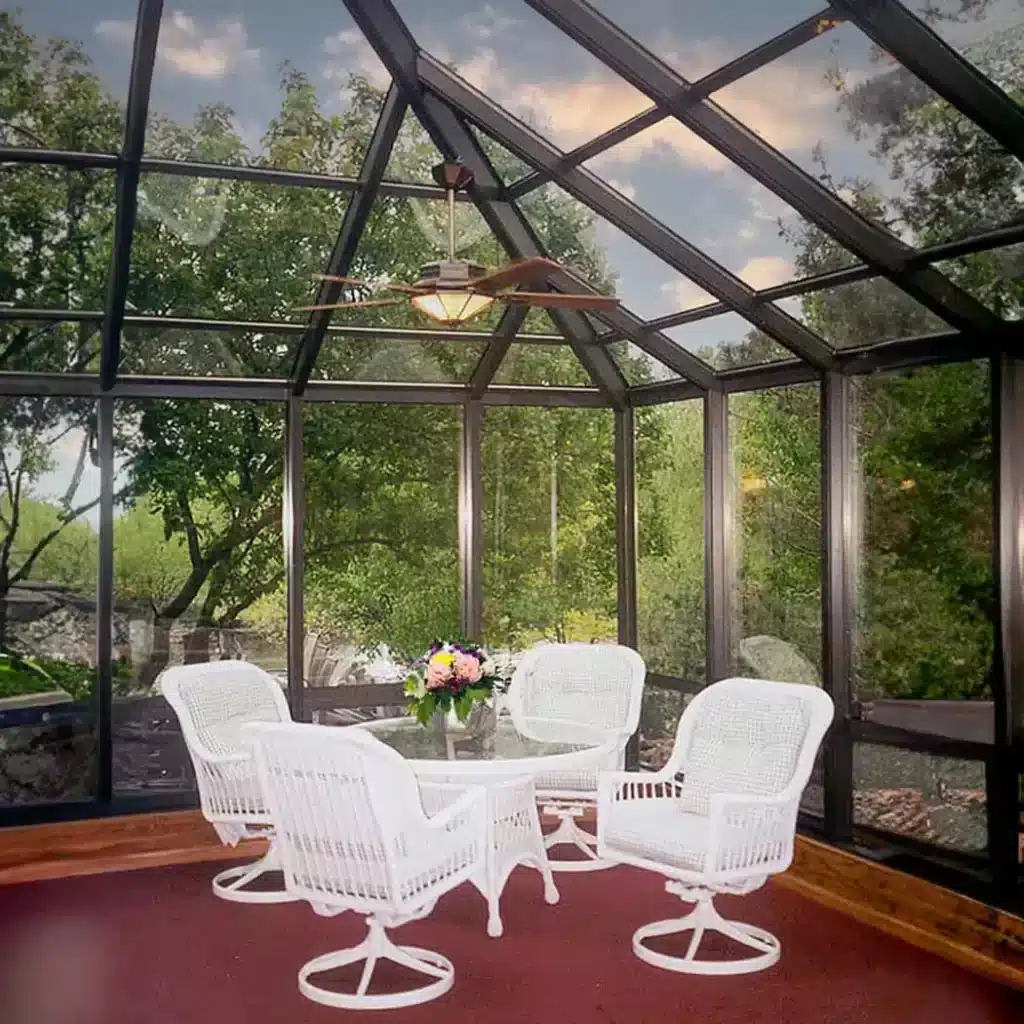
If you’re wondering, “Can a sunroom increase home value?” the answer is yes — significantly. A beautiful sunroom adds usable square footage and appeals to buyers. Sunrooms and solariums are designed to maximize the benefits of the sun, providing abundant natural light and warmth that create inviting spaces for relaxation or entertaining.
A greenhouse also adds value, but is more niche. Most buyers prefer a sunroom unless they are avid gardeners.
Sunshine Rooms offers dozens of customization options, including:
- Frame colors and finishes
- Cathedral, Victorian, lean-to sunrooms
- Custom sunshades
- Glass options
- Deck-mounted solariums
- Architectural matching for existing homes
8. Still Can’t Decide? Use This Simple Rule:
Choose a Sunroom If:
You want a bright, comfortable living space used every day.
Choose a Greenhouse If:
You want a plant-focused environment optimized for growing, humidity, and light control.
Choose a Hybrid Sunroom-Greenhouse If:
You want a living space with dedicated growing zones — a popular option at Sunshine Rooms.
Final Thoughts
Choosing between a sunroom and a greenhouse comes down to purpose. Do you want a space to live, relax, read, host a family, or enjoy morning coffee? Or do you want a warm, plant-dedicated growing environment with humidity and ventilation built in?
Whether you’re comparing how much a solarium costs to build, wondering about maintenance requirements for a solarium, or exploring how to grow vegetables year-round in a greenhouse sunroom, the experts at Sunshine Rooms can help you design the perfect structure for your home.
Explore ideas or request a free consultation at sunshinerooms.com — and bring more light into your life.
Related Posts

We Like to Hear From You!
We service and support the products we manufacture and install. If you need assistance with
our products or those of another sunroom manufacturer, contact us!