
Your solarium exists to flood your space with natural light. But when dust, water spots, and grime build up on the glass, that light turns hazy, and your beautiful room starts to lose its appeal. The good news? Cleaning solarium glass is straightforward when you know the right techniques. Using the wrong products or methods, however, can cause scratching, streaking, or even permanent damage to protective coatings.
Here’s everything you need to know to keep your solarium glass crystal clear and in top condition for decades.
Why Solarium Glass Needs Special Attention
Solarium glass isn’t the same as a standard household window. Most modern solariums feature dual-pane tempered or laminated glass with specialized coatings—Low-E coatings that reflect heat, UV-filtering layers that block harmful rays, and argon gas fills between panes for insulation. These advanced features require a careful cleaning approach.
Harsh chemicals, abrasive tools, or high-pressure washing can strip away protective coatings, compromise seals between glass panes, and lead to fogging or reduced energy efficiency. Treating your solarium glass with care doesn’t just keep it looking great—it preserves the performance features you paid for.
Regular cleaning also prevents long-term problems. Mineral deposits from hard water, tree sap, and environmental pollutants can etch into glass over time if left unaddressed. What starts as a cosmetic issue can become a permanent blemish that no amount of cleaning will fix.
Essential Tools and Cleaning Solutions
Before you start, gather the right supplies. Having everything on hand makes the job faster, easier, and safer for your glass.
What You’ll Need
- A soft microfiber cloth or natural sponge
- A squeegee with a rubber blade
- A bucket of warm water
- Mild dish soap (a few drops per gallon of water)
- White vinegar (optional, for stubborn water spots)
- A soft-bristle brush or extension pole for high panels
- Clean, lint-free towels for drying
What to Avoid
Stay away from ammonia-based cleaners like traditional glass sprays. Ammonia can degrade Low-E coatings and damage rubber seals over time. Skip abrasive pads, steel wool, razor blades, and powdered cleansers—these will scratch the glass surface. Pressure washers are also off-limits, as the force can break seals between dual-pane panels, leading to condensation buildup and insulation failure.
Step-by-Step Interior Glass Cleaning
The interior surfaces of your solarium glass collect dust, fingerprints, and airborne cooking or heating residue. Cleaning these surfaces regularly keeps your views sharp and your space feeling fresh.
Step 1: Dry Dust First
Use a dry microfiber cloth to wipe down each panel before applying any liquid. This removes loose dust and debris that could scratch the glass during wet cleaning. Pay attention to corners and edges where dust tends to accumulate.
Step 2: Wash with a Mild Solution
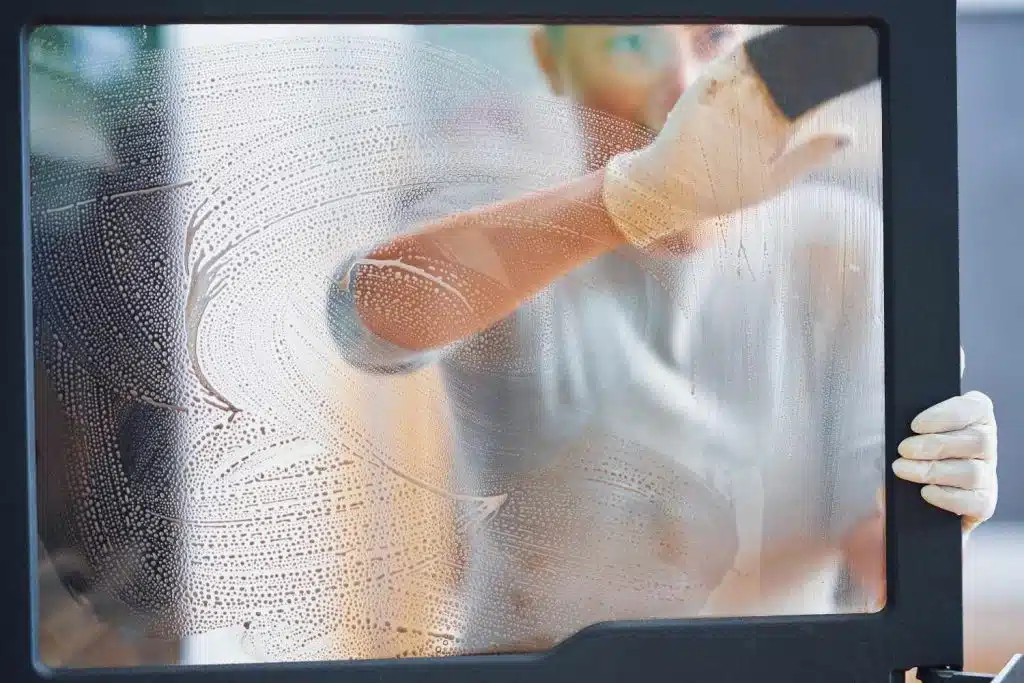
Dip your sponge or microfiber cloth into warm water mixed with a few drops of mild dish soap. Work in small sections, wiping the glass from top to bottom. This method prevents dirty water from dripping onto already-cleaned areas.
Step 3: Squeegee for a Streak-Free Finish
Starting at the top of each panel, pull the squeegee across the glass using a fanning or S-pattern motion—this keeps water from pooling under the blade and works best on the large panels typical of solariums. Wipe the squeegee blade with a clean cloth after each pass to prevent streaks. The squeegee removes the cleaning solution evenly and leaves the glass spotless.
Step 4: Dry and Detail
Use a lint-free towel to wipe any remaining moisture from the edges and corners. Check each panel from different angles—some streaks only become visible when light hits the glass at a certain angle.
Tackling the Exterior Surfaces
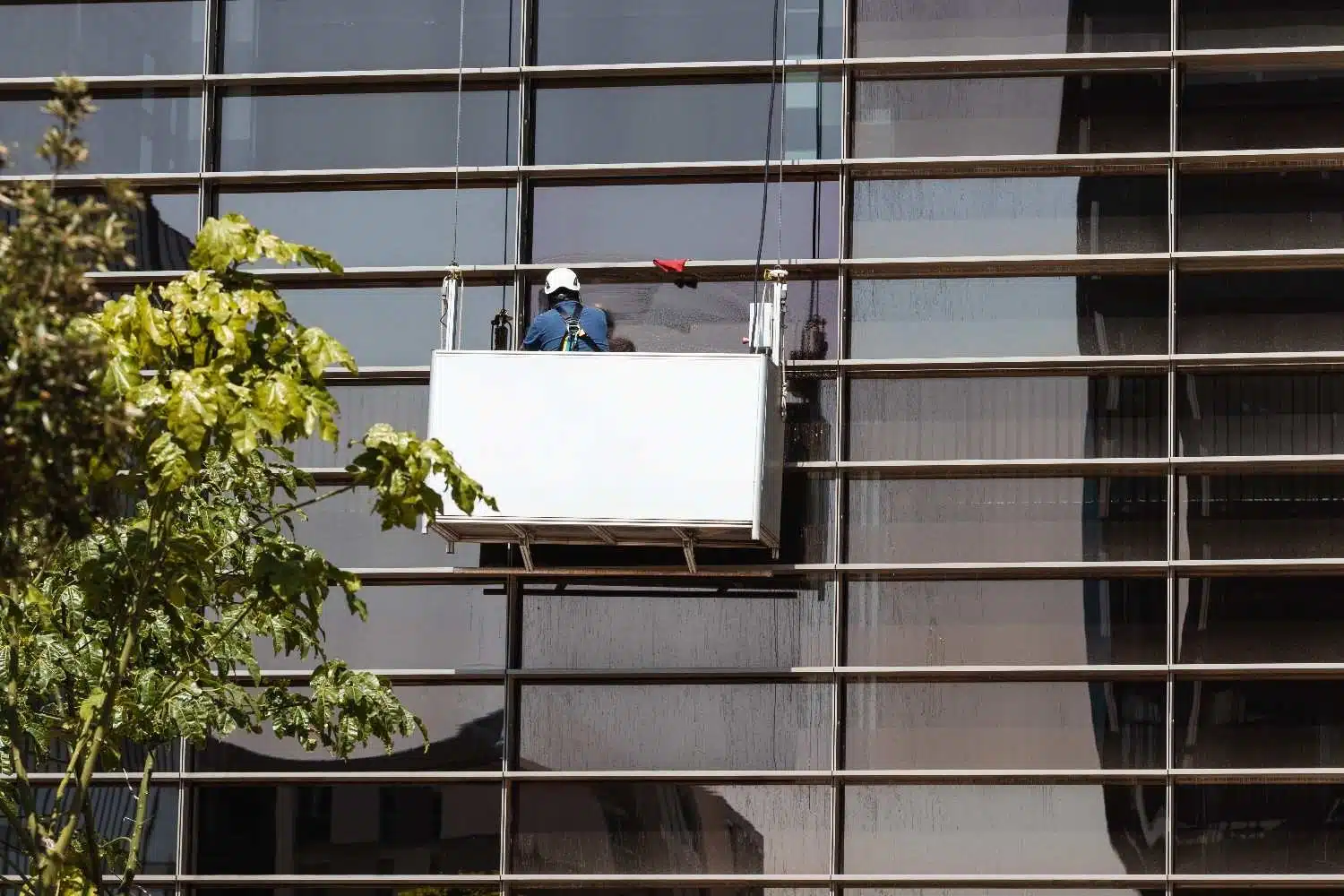
Exterior glass faces tougher conditions—rain, pollen, bird droppings, tree sap, and hard water deposits. These surfaces usually need more attention and occasionally stronger solutions.
Routine Exterior Cleaning
Follow the same basic steps as interior cleaning. Use warm soapy water, a soft sponge, and a squeegee. For hard-to-reach roof panels, attach a soft-bristle brush or microfiber pad to an extension pole. Work in manageable sections and rinse thoroughly with clean water before the soap dries.
Removing Hard Water Spots
Hard water stains are among the most common complaints from solarium owners. Mix equal parts white vinegar and distilled water in a spray bottle. Apply the solution to the affected areas and let it sit for 10 to 15 minutes so the acid has enough time to break down the mineral bonds. For stubborn or long-standing deposits, soak a paper towel in the vinegar solution, press it against the glass, and leave it for 20 to 30 minutes before wiping clean. If stains persist, use a commercial hard water remover designed for coated glass.
Dealing with Tree Sap and Bird Droppings
Don’t scrape these off dry—that’s a sure way to scratch the glass. Instead, soak the area with warm soapy water for several minutes to soften the residue. Once softened, it should wipe away easily with a microfiber cloth. For persistent sap, a small amount of rubbing alcohol on a soft cloth or cotton swab works well. Apply it precisely to the sap, not broadly across the glass, and avoid letting the alcohol contact the rubber seals or gaskets around the panel frame—repeated exposure can dry out the rubber, causing brittleness and cracking over time.
Seasonal Cleaning Schedule for Lasting Clarity
Establishing a regular cleaning routine keeps your solarium looking pristine and prevents buildup that becomes harder to remove over time.
Spring
After winter, pollen and accumulated grime need attention. Do a thorough interior and exterior cleaning. Inspect seals and weatherstripping for any winter damage while you’re at it. Spring is also the ideal time to check for condensation between glass panes, which indicates a seal failure.
Summer
A mid-summer touchup keeps things fresh during the season you’re likely using your solarium the most. Focus on exterior surfaces where dust and insect residue collect. Quick interior wipe-downs every couple of weeks maintain clarity.
Fall
Clean before falling leaves and debris take over. Remove any sap or organic matter before winter sets in and makes removal more difficult. Clearing debris from roof panels prevents staining and ensures maximum light during shorter days.
Winter
In colder climates, limit exterior cleaning to mild days when temperatures are above freezing. Focus on interior surfaces, and gently clear any snow accumulation from roof panels to prevent excess weight and ice buildup.
When to Call a Professional
While routine cleaning is a manageable task, some situations call for professional help. If your solarium has extensive roof glazing that’s difficult to access safely, professional cleaners with proper equipment can handle it without risk. Stubborn stains that don’t respond to vinegar or mild cleaners may need specialized products that professionals carry. And if you notice fogging between panes, that’s a seal issue—not a cleaning problem—that requires professional assessment and repair.
Keep Your Solarium Sparkling with Sunshine Rooms
Regular cleaning isn’t just about appearance—it protects the coatings, seals, and insulating properties that make your solarium perform. A consistent seasonal routine, the right tools, and gentle products are all it takes to keep your glass in top shape year after year.
If you’re considering a new solarium or have questions about caring for an existing one, Sunshine Rooms is happy to help. Reach out anytime for maintenance advice or to learn about our solarium designs built with easy-care glass packages.
Related Posts




We Like to Hear From You!
We service and support the products we manufacture and install. If you need assistance with
our products or those of another sunroom manufacturer, contact us!