
A solarium gives you something most rooms can’t—floor-to-ceiling natural light and a direct connection to the outdoors. But all that glass creates a unique set of furnishing challenges. Sunlight fades fabrics. Temperature swings stress materials. And the open, bright environment calls for a different approach than a standard living room.
Furnishing a solarium well means choosing pieces that thrive in high-light conditions, arranging them to take advantage of the views, and protecting your investment from the UV exposure that comes with all that sunshine. Here’s how to get it right.
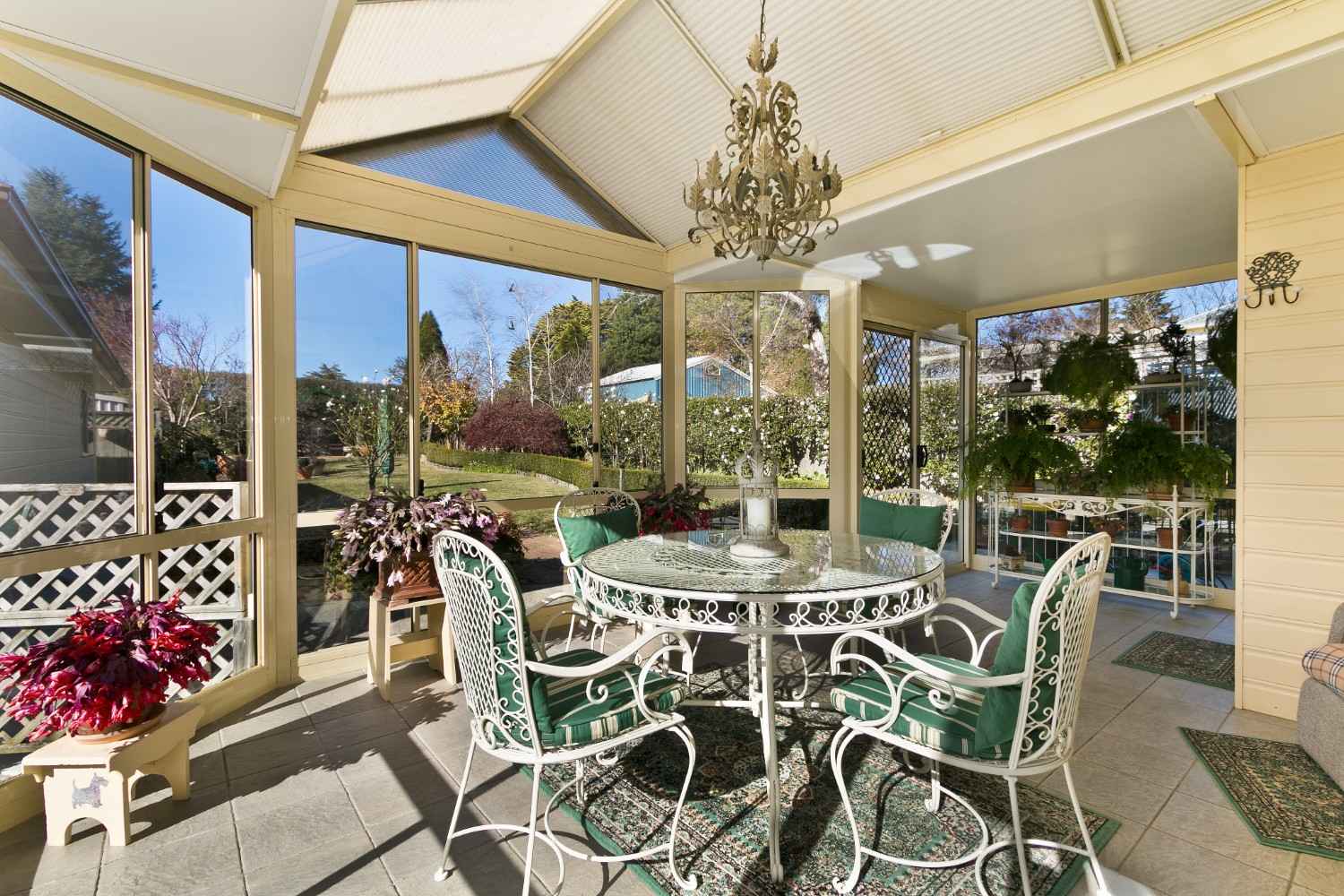
Start with UV-Resistant Fabrics
The single biggest mistake in solarium furnishing is using standard indoor upholstery. In a room surrounded by glass, UV exposure is dramatically higher than in a conventional room—even with Low-E coatings filtering a portion of the rays. Fabrics that would last a decade in your living room can fade noticeably within a year or two in a solarium.
What to look for:
- Solution-dyed acrylic fabrics (Sunbrella is the most recognized brand) are the gold standard for high-UV environments. The color is embedded into the fiber during manufacturing rather than applied to the surface, making it highly resistant to fading. These fabrics are also mildew-resistant and easy to clean—important in a room that can accumulate humidity.
- Polyester blends rated for UV exposure offer a more affordable alternative with good fade resistance. Look for fabrics specifically marketed as “indoor/outdoor” or “fade-resistant.”
- Avoid natural fibers in direct sun paths. Cotton, linen, silk, and wool fade quickly under sustained UV exposure. If you love the look and feel of natural fibers, use them on pieces positioned away from direct sun or pair them with UV-filtering window treatments.
Choose Furniture Materials Built for the Environment
Beyond fabric, the furniture frames and surfaces themselves need to handle temperature fluctuations and light exposure.
Best choices for solarium furniture:
- Powder-coated aluminum is lightweight, rust-proof, and handles temperature swings without expanding or contracting enough to loosen joints. It works for dining sets, side tables, and chair frames.
- Teak and eucalyptus are naturally UV-resistant and moisture-tolerant hardwoods. Teak develops a silver-gray patina over time if left untreated, which many owners prefer. Both hold up well in the temperature fluctuations common in solariums.
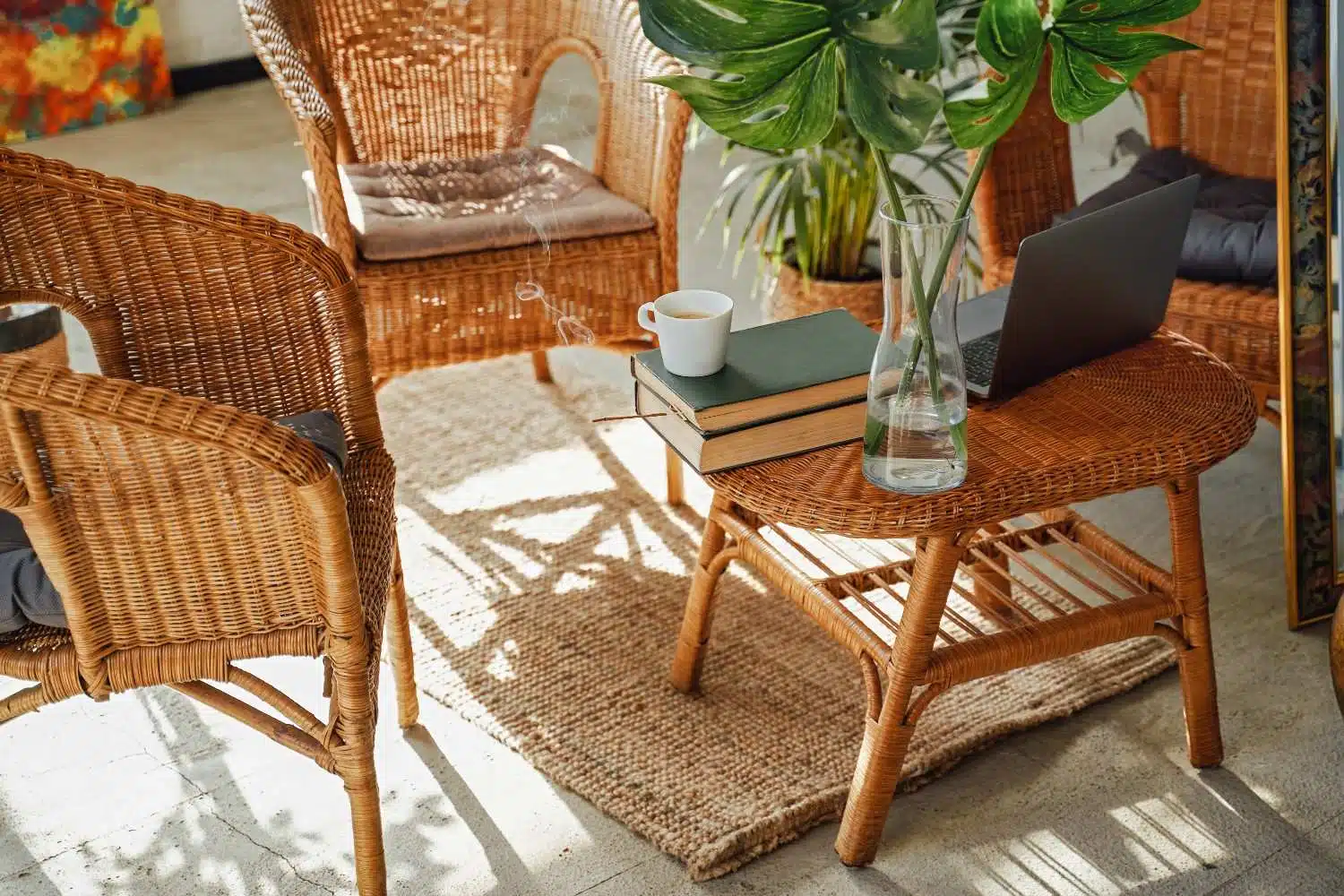
- Resin wicker (synthetic rattan) provides the look of natural wicker without the cracking, peeling, and brittleness that real rattan develops under UV exposure. High-density polyethylene (HDPE) wicker is the most durable option.
- Tempered glass tabletops complement the room’s transparency and won’t fade or degrade.
Materials to use carefully:
- Solid wood furniture (other than teak or eucalyptus) can dry out, crack, or warp from repeated heating and cooling cycles. If you use wood pieces, keep them away from the most intense sun paths and apply UV-protective finishes.
- Leather dries out, cracks, and fades in sustained UV environments. If you want leather in a solarium, choose a piece positioned out of direct sunlight and condition it regularly.
- Painted metal can chip and peel as the finish expands and contracts with temperature changes. Powder-coated finishes are more durable than standard paint.
Plan Your Layout Around Light and Views
A solarium’s greatest asset is its glass walls. Your furniture arrangement should frame the views, not block them.
Keep sightlines open. Position seating to face outward toward the best views rather than inward toward the house. Low-profile furniture—sofas and chairs with lower backs—preserves sightlines across the room and lets light flow freely.
Create zones. A well-furnished solarium often serves multiple functions. Designate areas for lounging, reading, dining, or morning coffee. Use area rugs, side tables, or a change in seating style to define zones without physical dividers.
Float your furniture. Pull pieces away from the glass walls rather than pushing everything against the perimeter. A sofa centered in the room with a view behind it feels more intentional than one shoved against a window. Floating furniture also keeps upholstery away from direct contact with sun-heated glass.
Consider the sun path. Track where direct sun falls at different times of day. Position your primary seating in a spot that gets comfortable light—not the intense midday beam that makes a west-facing seat unusable in summer. Morning light from the east is gentler; north-facing views provide consistent, soft light without harsh direct exposure.
Protect Floors and Surfaces
Solarium floors take more UV punishment than any other room in the house.
Rugs: Use UV-resistant area rugs to protect flooring and add warmth. Indoor/outdoor polypropylene rugs resist fading and are easy to clean. Avoid placing a rug in a fixed position for months at a time without moving it—the covered area won’t fade at the same rate as the exposed floor, creating a visible outline.
Floor protection: If your solarium has hardwood or laminated flooring, UV exposure will change its color over time. Some woods darken, others lighten. Felt pads under furniture legs prevent scratching on tile or stone. For high-traffic solariums, stone, porcelain tile, or polished concrete are the most durable and fade-resistant floor surfaces.
Tabletops and surfaces: Glass and stone tabletops resist UV damage entirely. Wood surfaces benefit from coasters and UV-protective finishes. Avoid placing candles, water glasses, or glass objects directly in sun paths—they can concentrate light and create burn marks on surfaces below.
Add Comfort Without Blocking the Light
The goal is a room that feels as comfortable as a living room without losing the light-filled, airy quality that makes a solarium special.
Throw pillows and cushions add softness and color. Use them in solution-dyed acrylic or UV-rated polyester so they hold up. Swap pillow covers seasonally for a fresh look without replacing the inserts.
Plants are a natural fit in a solarium. Tropical and subtropical species thrive in the high-light, warm conditions—fiddle leaf figs, bird of paradise, monstera, and citrus trees all do well. Use elevated planters or plant stands to add vertical interest without consuming floor space. Just ensure adequate drainage to protect flooring.
Window treatments give you control over light and temperature. Cellular (honeycomb) shades offer insulation and UV filtering while allowing diffused light through. Roller shades with UV-blocking fabric protect furnishings during peak sun hours. Avoid heavy drapes—they contradict the purpose of a glass room and block the views you built the solarium to enjoy.
Lighting for evening use. A solarium flooded with daylight still needs lighting after dark. Floor lamps and table lamps with warm-toned bulbs (2700K-3000K) create an inviting atmosphere at night. Avoid overhead fluorescent lighting—it kills the ambiance. Dimmable fixtures let you match the light level to the mood.
Common Furnishing Mistakes to Avoid
Overfurnishing the space. A solarium should feel open and airy. Too many pieces crowd the room and block the light that makes it special. Edit ruthlessly—if a piece isn’t earning its place, remove it.
Ignoring UV from the start. Replacing faded cushions and sun-damaged furniture is expensive. Investing in UV-resistant materials from day one saves money and frustration within the first two years.
Treating it like a standard room. Standard living room furniture, dark heavy curtains, and wall-to-wall carpeting work against a solarium’s strengths. Lean into the light, the views, and the connection to the outdoors—that’s the whole point of the room.
Furnish for How You’ll Actually Use the Space
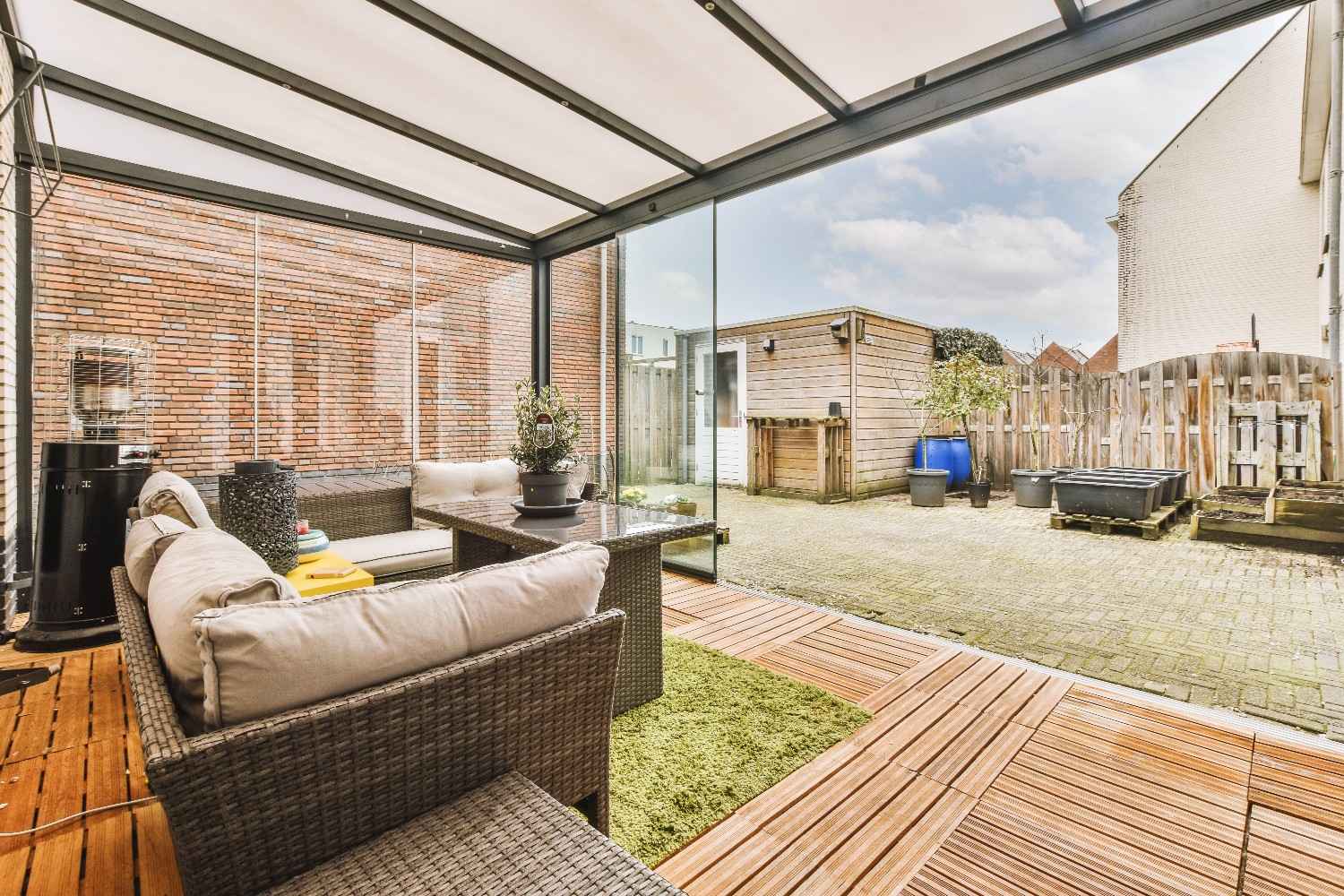
The best-furnished solarium is one that matches how you live. If it’s a morning coffee spot, a small bistro table and two comfortable chairs may be all you need. If it’s a family lounge, a sectional in solution-dyed acrylic with a durable side table anchors the room. If it doubles as a home office, a desk positioned to face the garden with a UV-filtering roller shade overhead keeps the screen readable.
Start with function, choose materials that handle the environment, and let the light do the rest. If you’re planning a new solarium or rethinking one you already have, the team at Sunshine Rooms is always available to help you think through design and furnishing options that make the most of your space.
Related Posts

We Like to Hear From You!
We service and support the products we manufacture and install. If you need assistance with
our products or those of another sunroom manufacturer, contact us!