
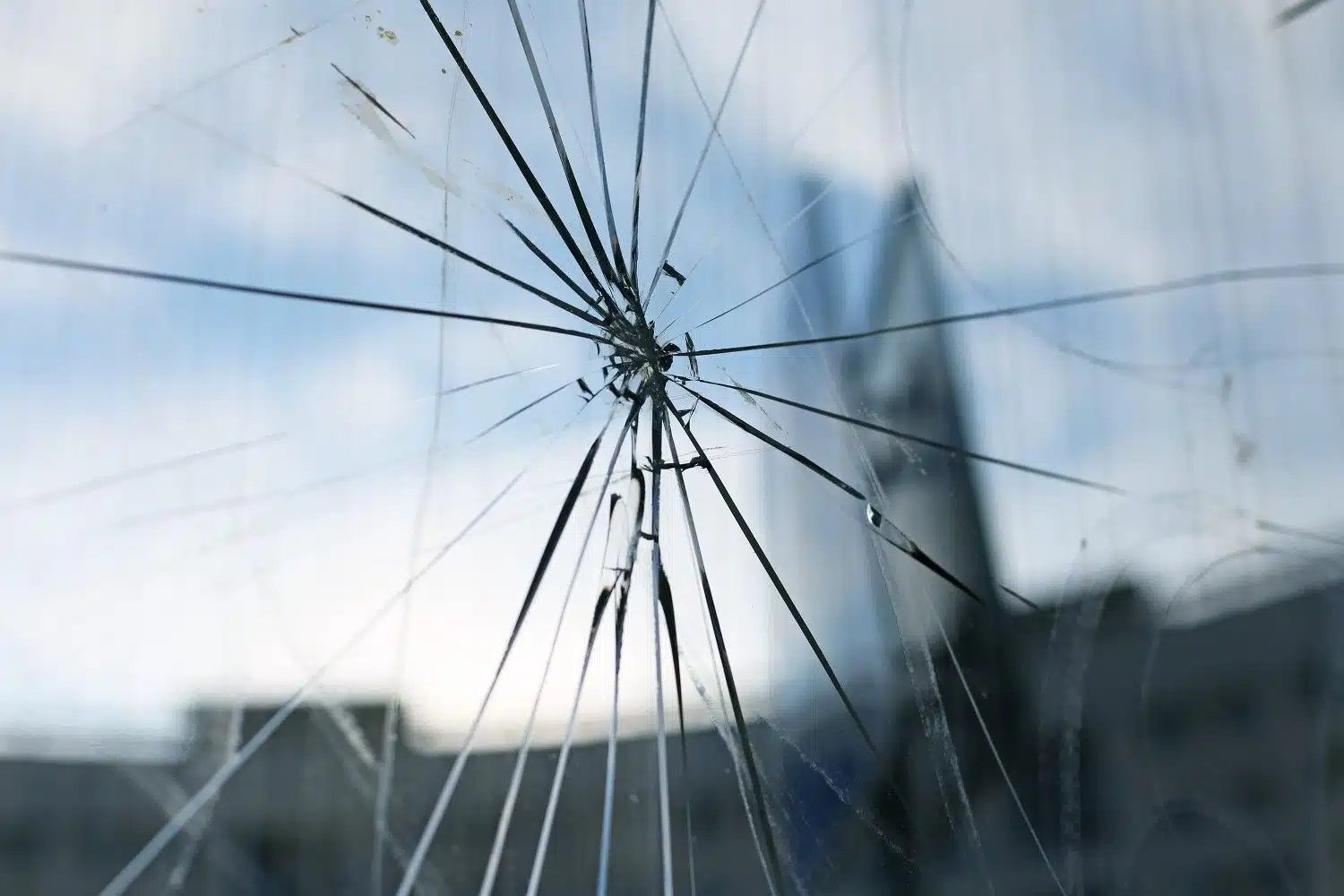
A cracked pane in a sunroom is more than an eyesore. Depending on where it is and what kind of glass it is, a crack can let in water and drafts, lose insulating value, or—on a roof panel—become a genuine safety hazard. So when you spot one, the natural question is how to repair it.
Here’s the honest answer up front: in most cases, cracked sunroom glass isn’t repaired, it’s replaced. But there are important steps to take in the meantime, real distinctions between glass types, and good reasons to know when to handle it yourself versus call a professional. This guide walks through all of it.
First, What “Repair” Really Means for Sunroom Glass
People often picture patching a crack the way you’d fill a chip in a windshield. For sunroom glass, that usually isn’t an option. A true crack that runs through a pane compromises the glass’s integrity, and there’s no filler that restores its strength, clarity, and seal. The correct fix is to replace the affected pane or glass unit.
Windshield-style chip repair works on laminated automotive glass with small surface chips, not on a cracked architectural panel. So while “repair” is the word everyone searches for, the practical solution for a cracked sunroom panel is replacement—done properly so the new glass matches and seals correctly.
Assess the Damage Before You Act
Before doing anything, size up three things. They determine how urgent the situation is and who should handle it.
What type of glass is it? A single-pane panel is simpler to deal with than an insulated glass unit (two or three panes sealed together). Tempered and laminated safety glass—common in sunrooms—has its own rules covered below.
Where is the crack? A crack in a vertical wall panel is less urgent than one in a roof or overhead panel, where falling glass and water intrusion make it a safety priority. Cracks near doors are also higher concern because that glass is usually safety glazing protecting an entry point.
How bad is it? A small surface chip is different from a crack that runs across the pane or a panel that’s shattered and unstable. If glass is loose, sagging, or shattered—especially overhead—treat it as urgent and keep people clear of the area.
Temporary Steps to Stabilize a Crack
If you can’t get a replacement immediately, a few measures limit the damage and keep things safe until the glass is properly replaced. These are stopgaps, not fixes.
- Relieve pressure. Don’t slam nearby doors or lean on the frame. Avoid anything that flexes the panel and spreads the crack.
- Tape the crack. Applying clear packing tape or glazing tape over a crack on both sides helps hold small pieces in place and slows the crack from spreading. It also keeps water and drafts out temporarily.
- Seal against water. For a wall panel, a temporary bead of removable weatherproof film or tape along the crack helps keep moisture out until replacement.
- Cordon off roof or overhead damage. If the cracked glass is overhead, keep people and furniture out from underneath until a professional can secure or replace it. Never climb on or near roof glass to inspect or tape it.
Why Insulated (Double-Pane) Glass Must Be Replaced, Not Patched
If your sunroom has insulated glass units—two or three panes sealed around a spacer with insulating gas between them—a crack in either pane means the whole unit has to be replaced. Here’s why: the unit’s performance depends on an airtight seal around the edge. Once a pane cracks, that seal is compromised, the insulating gas escapes, and moisture works its way in, causing fogging between the panes.
You can’t patch one pane of a sealed unit and restore it. The unit is replaced as a whole, made to the exact dimensions and specification of the original. This is also why a cracked insulated panel that you ignore will eventually fog up and lose its energy efficiency even if it doesn’t spread.
When It’s a DIY Job—and When to Call a Pro
Some glass situations are reasonable for a handy homeowner; many are not.
Possibly DIY: replacing a small, accessible single-pane panel in a vertical wall, where the glass can be safely measured, ordered, and set into the frame. Even then, handling large glass safely takes care.
Call a professional for:
- Any roof or overhead glass. Working overhead with glass is dangerous and is best left to pros with the right equipment.
- Tempered or laminated safety glass. Tempered glass cannot be cut to size after manufacturing—it must be re-ordered to exact dimensions from the maker. Trying to cut it just shatters it. A professional measures and orders the correct safety-rated replacement.
- Insulated glass units. Sourcing and sealing a matching IGU correctly is specialized work.
- Large panels or anything structural. The size, weight, and structural role of big sunroom panels make professional handling the safe choice.
When in doubt, a professional assessment is worth it—getting the wrong glass or an improper seal just creates a second problem.
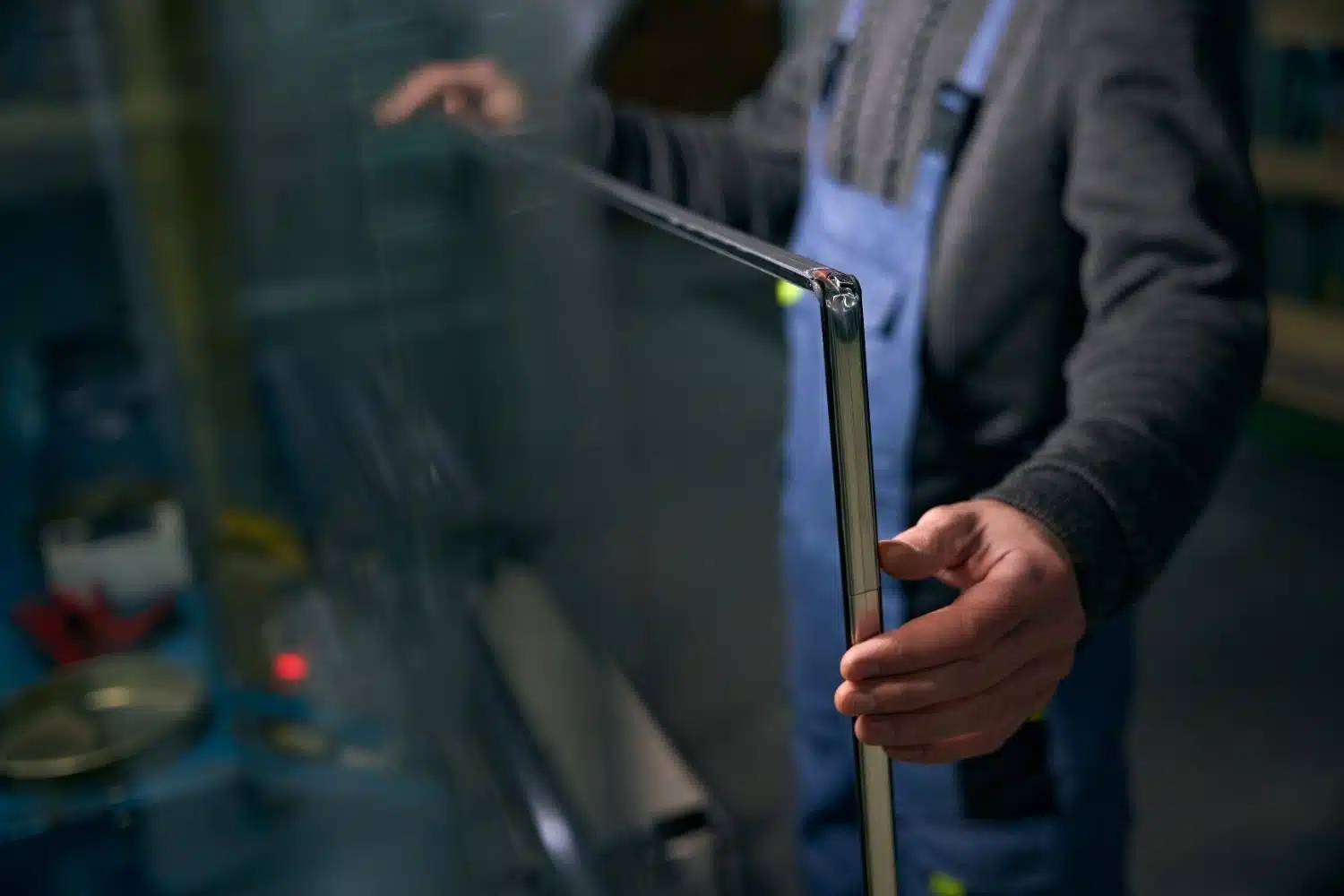
How Professional Glass Replacement Works
When a pro replaces a cracked sunroom panel, the process generally runs like this:
- Measure and identify. They measure the opening precisely and identify the glass type, thickness, coating (such as Low-E), and whether it’s tempered or laminated.
- Order a matching unit. Because architectural and safety glass is made to order, the replacement is fabricated to match the original exactly.
- Remove the damaged glass. Glazing stops or gaskets are removed and the cracked pane is safely taken out.
- Install and seal. The new panel is set, secured with gaskets or glazing stops, and sealed so it’s watertight and matches the surrounding panels.
Because the replacement is built to spec, the finished result looks and performs like the original rather than an obvious patch.
What It Costs and Preventing the Next Crack
Replacing a single insulated glass unit commonly runs in the range of $150 to $400 per unit, with larger panels, specialty coatings, tempered or laminated safety glass, and roof access pushing the cost higher. (For how glass fits into overall sunroom costs, see our solarium cost-per-square-foot guide.)
To reduce the chance of another crack, address the common causes: protect overhead glass with impact-resistant glazing in hail-prone areas, avoid thermal stress from things like dark window film on the wrong glass, keep the framing in good condition so panels aren’t stressed, and never pressure-wash the structure. (Our guide on protecting a solarium from hail damage covers impact glazing in more depth.)
Get a Cracked Panel Handled the Right Way
So how do you repair cracked glass in a sunroom? Realistically, you stabilize it temporarily, then replace the affected pane or unit with a matching, properly sealed panel—because architectural and safety glass can’t be patched back to full strength. Single, accessible wall panes may be a careful DIY job, but roof glass, safety glass, and insulated units call for a professional.
If you’ve got a cracked panel—especially overhead or in safety glazing—and want it assessed and replaced correctly, the team at Sunshine Rooms can identify the right replacement glass and restore your sunroom to its original look and performance.
Related Posts



We Like to Hear From You!
We service and support the products we manufacture and install. If you need assistance with
our products or those of another sunroom manufacturer, contact us!