
Sunrooms offer something magical—a space flooded with natural light where you can enjoy the outdoors while staying protected from the elements. But one question stops many homeowners from moving forward: are sunrooms energy efficient, or will they send your utility bills through the roof?
The answer depends entirely on how your sunroom is designed and built. A thoughtfully constructed modern sunroom can be remarkably energy efficient, reducing your reliance on heating and cooling systems while keeping you comfortable year-round. Here’s what makes the difference.
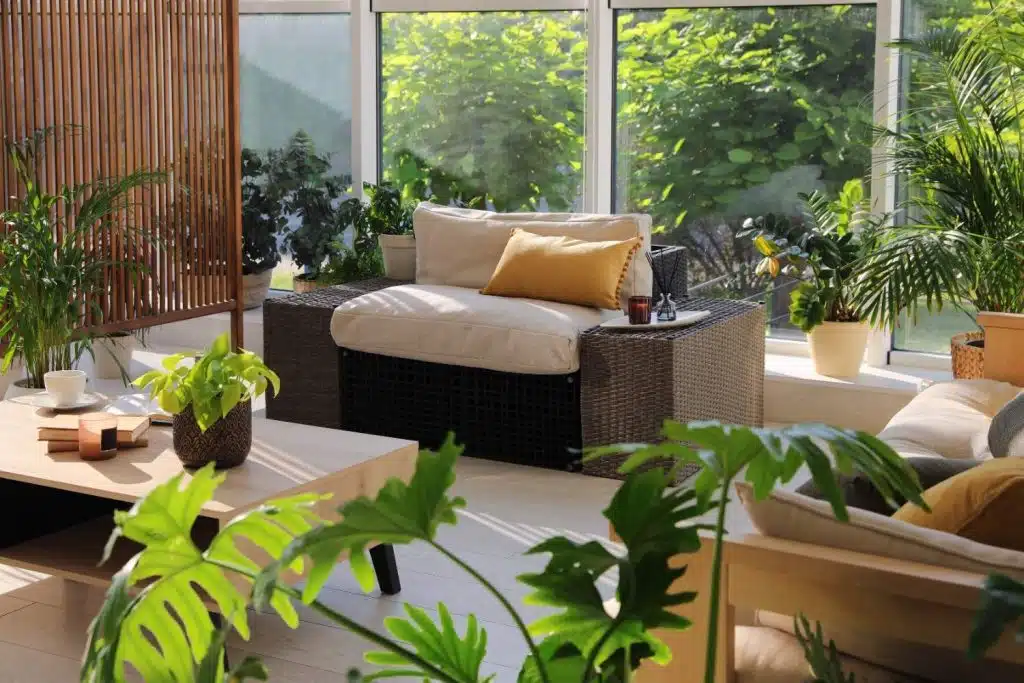
The Energy Efficiency Challenge
Let’s be honest about what makes sunroom efficiency complicated. These spaces feature extensive glazing—often floor-to-ceiling windows or glass walls—that invite in maximum natural light. While this creates the bright, airy atmosphere you want, all that glass can also allow heat to escape in winter and solar heat to build up in summer.
This is exactly why design matters so much. Older sunrooms with single-pane glass and minimal insulation could be energy nightmares. But modern sunrooms, built with today’s advanced materials and techniques, flip this equation entirely.
The key is understanding that energy efficiency isn’t about avoiding glass—it’s about using the right glass, the right framing, and the right design principles to create a space that works with nature rather than against it.
How Modern Sunrooms Achieve Energy Efficiency
Several key features work together to create a sunroom that’s comfortable and cost-effective to operate.
Advanced Glass Technology
The glass in your sunroom is the most critical factor in energy performance. Modern sunrooms use double or triple-pane windows with insulating argon or krypton gas between the layers. This dramatically reduces heat transfer compared to single-pane glass.
Even more important is the U-factor—a measurement of how much heat escapes through the glass. Single-pane glass has a U-factor around 1.1, meaning it loses heat quickly. Quality sunroom glass should have a U-factor below 0.3, reducing heat loss by more than 70%.
Low-emissivity (Low-E) coatings add another layer of efficiency. These microscopic metallic coatings reflect infrared heat while allowing visible light to pass through. In winter, Low-E glass keeps heat inside. In summer, it reflects solar heat away. You get all the natural light with far less temperature fluctuation.
Strategic Insulation
Since most of your sunroom walls will be glass, ceiling insulation becomes crucial. Quality sunrooms feature enhanced ceiling insulation—often more than standard room construction—to compensate for the extensive glazing. This keeps warm air from escaping upward in winter and blocks heat from penetrating in summer.
The connection points between your sunroom and your existing home also need careful attention. Proper sealing and insulation at these transitions prevent air leaks that can undermine your entire home’s efficiency.
Floor insulation matters too, particularly for sunrooms built on concrete slabs. Uninsulated floors can act as heat sinks, drawing warmth from the room and making the space feel cold even when air temperatures are comfortable.
Thermal Break Frames
The aluminum frames supporting your glass can conduct heat like a highway if they’re not properly designed. Modern energy-efficient sunrooms use thermally broken frames—aluminum profiles with an insulating barrier that stops heat transfer through the metal.
This seemingly small detail makes a significant difference in maintaining comfortable temperatures and preventing condensation on cold days.
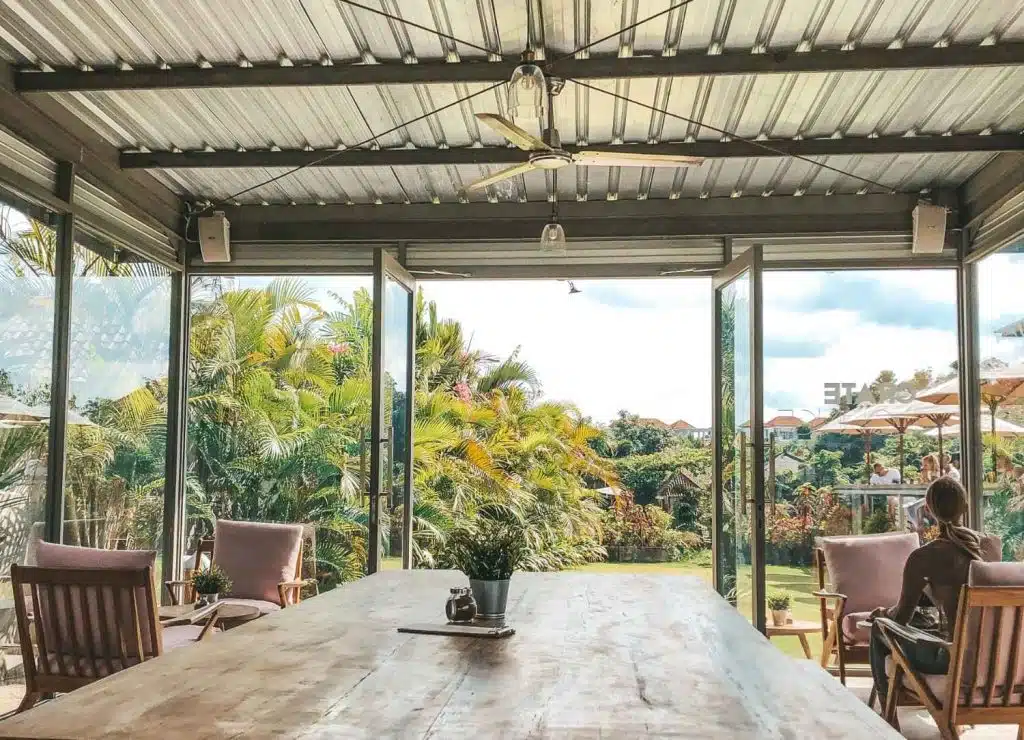
Passive Solar Design: Working With Nature
Smart sunroom design harnesses the sun’s energy rather than fighting it. This approach, called passive solar design, can significantly reduce your heating and cooling needs.
Orientation Matters
South-facing sunrooms receive direct sunlight throughout the year, maximizing natural warmth during winter months when the sun sits low in the sky. This free solar heating can substantially reduce your winter heating costs.
East-facing sunrooms capture morning sun, while west-facing rooms get afternoon light. Each orientation has implications for heating and cooling that should inform your design decisions.
Vertical vs. Sloped Glazing
Vertical glass walls are generally more energy efficient than sloped roof glazing. Vertical surfaces naturally collect more heat in winter when the sun is low, and less in summer when the sun is high. They’re also less prone to leaking and easier to shade when needed.
If your design includes sloped glazing or a glass roof, expect higher cooling costs in summer and potentially more heat loss in winter. Additional shading solutions may be necessary.
Thermal Mass
Incorporating materials that absorb and slowly release heat can moderate temperature swings. Tile, stone, or concrete floors absorb solar energy during the day and release it slowly as temperatures drop, reducing the need for supplemental heating.
Heating and Cooling Solutions
Even the most efficient sunroom may need supplemental climate control for extreme weather. The good news? Modern solutions are highly efficient.
Ductless Mini-Split Systems
These compact units provide both heating and cooling with exceptional efficiency. They’re quiet, easy to install, and allow you to control your sunroom’s temperature independently from the rest of your home. You only condition the space when you’re using it, avoiding wasted energy.
Mini-splits offer efficiency ratings far exceeding traditional HVAC systems, making them ideal for sunroom applications.
Radiant Floor Heating
For sunrooms with tile, stone, or concrete floors, radiant heating provides even warmth that rises naturally through the space. It’s more efficient than forced-air systems and eliminates cold spots near the floor. Radiant heat also feels more comfortable at lower thermostat settings, saving additional energy.
Ceiling Fans
A quality ceiling fan helps in both seasons—pushing warm air down in winter and creating cooling breezes in summer. This simple addition can reduce your reliance on heating and cooling systems significantly. Ceiling fans use minimal electricity while making a noticeable difference in comfort.
Smart Shading
Exterior awnings, retractable screens, or interior blinds give you control over solar heat gain. Blocking direct sunlight before it hits the glass is far more effective than trying to cool an already-overheated space. Motorized shading systems can be programmed to respond automatically to sun position and temperature.
The Bottom Line on Sunroom Energy Efficiency
Are sunrooms energy efficient? With proper design and quality construction, absolutely. Modern sunrooms can provide comfortable living space without significantly impacting your utility bills. The key factors are:
- High-performance glazing with Low-E coatings and low U-factors
- Proper insulation in ceilings, floors, and transition areas
- Thermally broken frames
- Thoughtful orientation and passive solar principles
- Appropriate supplemental heating and cooling systems
Build Your Energy-Efficient Sunroom with Sunshine Rooms
without breaking the bank on energy costs. Our structures feature premium Low-E glass, thermally broken frames, and expert insulation details that maximize efficiency.
We take the time to understand your goals and design a sunroom that works with your home’s orientation and your local climate. The result is a beautiful space you can enjoy every day without dreading your utility bills.
Ready to add beautiful, energy-efficient living space to your home? Contact Sunshine Rooms today to discover how our custom sunrooms combine comfort, efficiency, and stunning design.
Related Posts


We Like to Hear From You!
We service and support the products we manufacture and install. If you need assistance with
our products or those of another sunroom manufacturer, contact us!