
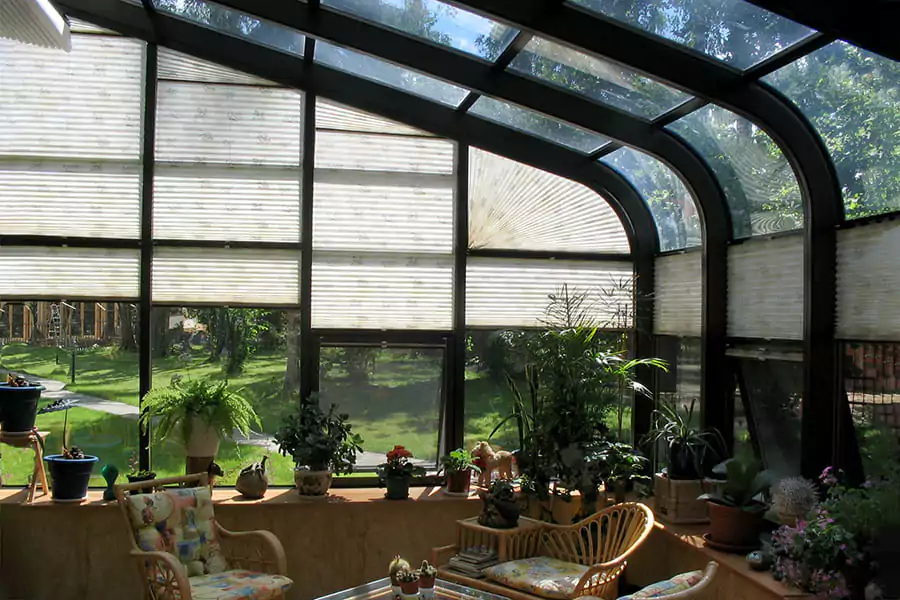
A solarium is one of the most rewarding spaces you can add to your home — a sun-drenched sanctuary where natural light, comfort, and beauty come together. Indoor gardening enthusiasts especially appreciate these spaces for their potential to cultivate a lush indoor retreat. Whether your goal is to relax with morning coffee, grow year-round greenery, or create a warm indoor garden even in winter, choosing the right plants makes all the difference.
Homeowners often ask: “What are the best plants for a solarium?” The answer depends on your climate, how much sun your solarium gets, and whether it’s a three-season or four-season sunroom. But the good news? A well-designed solarium from Sunshine Rooms can support a huge variety of thriving plants because of its insulated framing, high-performance glass, and customizable ventilation options.
Let’s explore the plants that thrive indoors, how to grow them successfully, and how to turn your solarium into a vibrant haven for both plants and relaxation.
1. Why a Solarium Is Ideal for Growing Plants
A solarium gives you the best of both worlds — a comfortable living space and a plant-friendly environment. With the right glass (typically tempered or laminated Low-E glass) and proper ventilation, a solarium creates the ideal environment for a wide variety of plants by providing controlled humidity and optimal lighting conditions. You can grow tropicals, herbs, flowers, and even vegetables throughout the year.
Sunshine Rooms’ engineered structures also help solve common challenges like condensation, winter heat loss, and summer overheating — all essential for healthy plant growth.
2. The Best Plants for a Solarium (Bright, Warm & Light-Filled)
Here are the top performers for a solarium environment:
Before making your selection, consider exploring options for the best plants to suit your solarium’s unique conditions.
🌿 1. Tropical Houseplants (Perfect for Warm Solariums)
Solariums mimic tropical humidity and light, making them ideal for tropical plants such as:
- Bird of Paradise (a striking species native to the lush south african forest)
- Monstera Deliciosa
- Philodendrons
- Banana plants
- Palms (Areca, Majesty, Parlor)
- Hibiscus
- Anthurium
These plants love brightness and warmth — especially helpful if you’re wondering how to heat a solarium in the winter.
🌱 2. Herbs & Edibles (Year-Round Kitchen Garden)
With stable temperatures and high light, herbs thrive:
- Basil
- Rosemary
- Thyme
- Oregano
- Chives
- Mint
- Parsley
Many homeowners ask:
👉 Can you grow vegetables year-round in a greenhouse sunroom?
Yes — leafy greens, cherry tomatoes, peppers, and microgreens grow beautifully in a solarium with proper ventilation.
🌼 3. Flowering Plants (Color All Year Long)
Bloomers love bright rooms, but lighting needs can vary: some flowering plants, like hibiscus, thrive in direct light, while others, such as orchids, prefer filtered light:
- Orchids
- Bougainvillea
- Gardenias
- Jasmine
- Geraniums
- Begonias
- Hibiscus (noted for their vibrant hibiscus flowers)
For flowers, make sure you know how to cool a solarium in summer, since extreme heat can shorten bloom cycles.
🌵 4. Succulents & Cacti (Low Maintenance, High Impact)
These plants thrive in intense sun and require minimal care:
- Aloe vera plant: Known for its medicinal uses, such as treating sunburns and minor wounds.
- Jade plant
- Echeveria
- Barrel cactus
- Snake plant (tolerates low light too)
Mini succulents may be small, but they have a big personality, adding vibrant charm and character to any space.
Succulents also help reduce humidity and moisture — useful when learning how to prevent condensation in a sunroom.
Succulents offer numerous health benefits, such as improving indoor air quality and creating a healthier environment.
When caring for succulents, avoid frequent watering. Let the soil dry out completely between waterings to prevent root rot and keep your plants healthy.
🍋 5. Indoor Fruit Trees (Stunning & Functional)
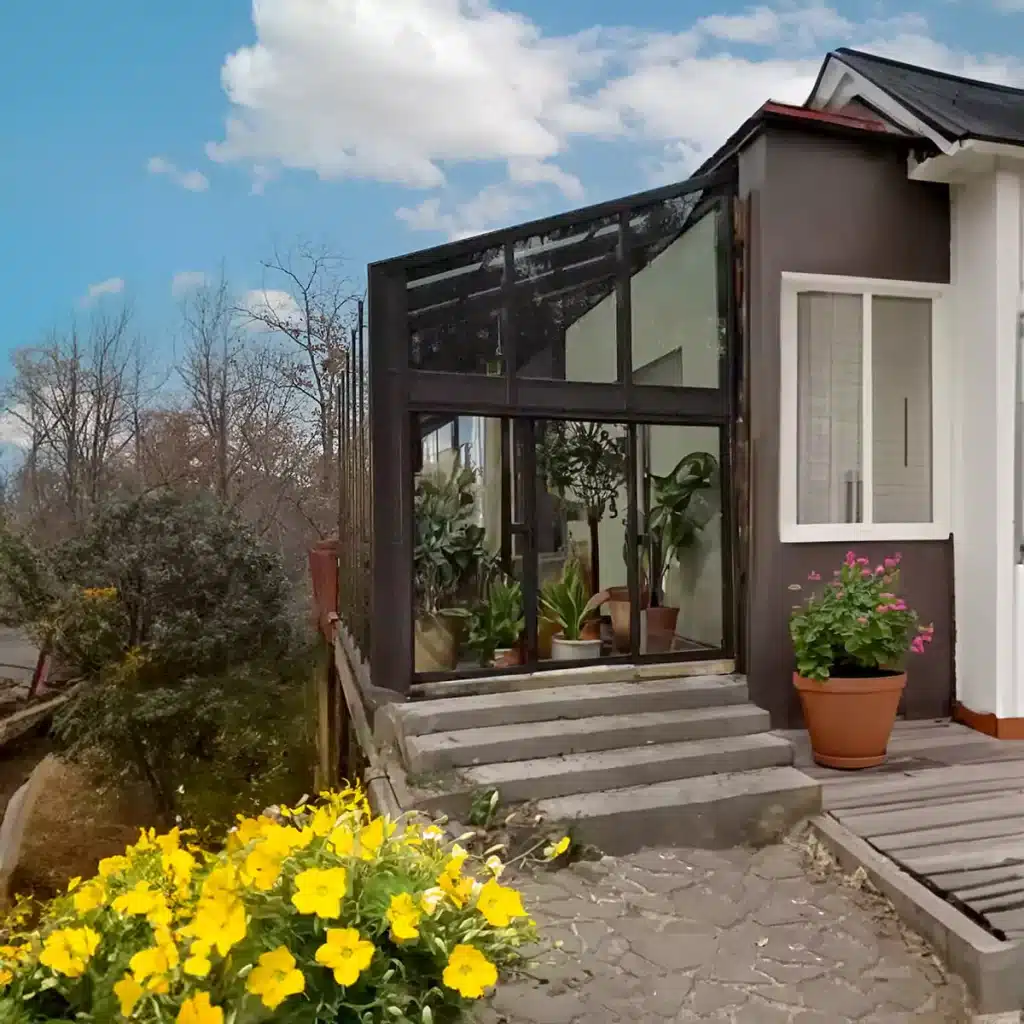
Solariums are warm enough to support:
- Meyer lemon trees
- Calamondin oranges
- Fig trees
- Olive trees
- Dwarf banana trees
These indoor fruit trees need ample sunlight to produce healthy fruit and thrive.
If you want a solarium with more humidity control, Sunshine Rooms can integrate custom sunshades and ventilation solutions.
Low-Light Options for Shadier Corners
Not every corner of your sunroom will bask in bright, direct sunlight all day. In fact, many sunroom designs feature cozy nooks or areas shaded by furniture, overhangs, or even other plants. The good news? There are plenty of sunroom plants that thrive in lower light conditions, allowing you to create a lush indoor garden in every part of your space.
Pothos is a classic choice for shadier spots. This versatile plant is celebrated for its ability to adapt to a range of light conditions, from bright indirect sunlight to low light, and it requires minimal maintenance—perfect for busy homeowners or those new to indoor gardening. The Snake Plant is another standout; not only does it tolerate low light, but it also helps purify the air, making it a smart addition to any sunroom environment.
For those seeking a splash of color, African Violets are a wonderful option. These indoor plants produce vibrant, colorful blooms and prefer bright but indirect sunlight, yet they can still flourish in less illuminated areas. The Christmas Cactus is another favorite, offering unique, festive flowers and thriving in indirect light or even low-light conditions.
3. Consider How Your Solarium Is Built
Your solarium’s environment determines which plants will thrive. Before choosing plants, consider:
Thoughtful sunroom design and efficient use of sunroom space can significantly enhance plant growth and comfort, creating an ideal setting for a lush indoor garden.
Glass Type
Many ask what type of glass is best for a sunroom. For plant health, choose:
Low-E glass
- Low-E glass
- Tempered or laminated panels
- Insulated glazing
These reduce overheating, block harmful UV, and hold heat in winter.
Orientation
What is the best orientation for a solarium?
- South-facing: Brightest — best for cacti, fruit trees, and sun lovers.
- East-facing: Soft morning sun — ideal for tropicals and flowering plants.
- West-facing: Hot afternoon sun — good for succulents but needs cooling.
North-facing: Best for shade plants like ferns and philodendrons.
Temperature & Insulation
Homeowners often ask: 👉 Are sunrooms energy efficient?Yes — when engineered properly.
If you have a four-season sunroom, you can grow both tropical and temperate plants all year. If it’s a three-season sunroom, stick to hardier plants during colder months or add a supplemental heater. Maintaining proper temperature and insulation is essential for the healthy growth of your solarium plants.
4. How to Care for Plants in a Solarium
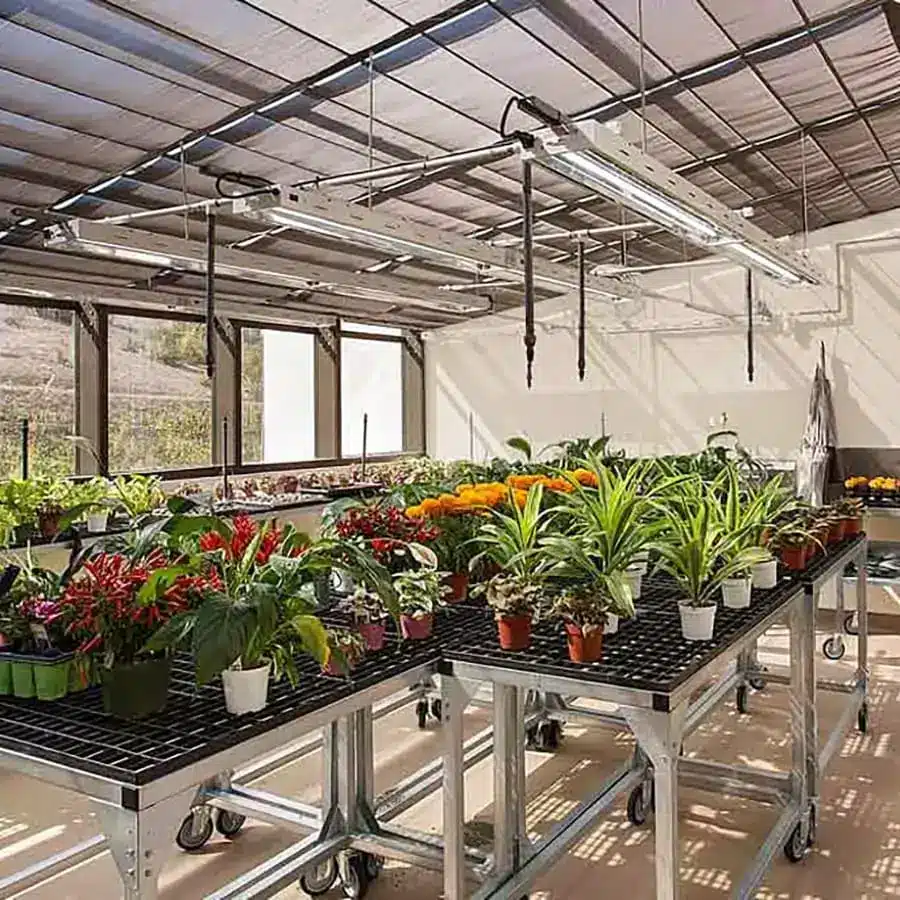
A sunroom garden acts like a mini-ecosystem, blending indoor comfort with the vibrancy of a lush garden space. Here’s how to keep plants thriving:
🌡 Control Temperature
If overheated, plants stress quickly. You can manage temps using:
- Ceiling fans
- Custom sunshades
- Ventilation windows
- High-performance Low-E glass
This is especially important if you’re studying how to cool a sunroom in summer.
💧 Manage Water & Humidity
Greenhouse-style solariums can get humid, so:
- Avoid overwatering
- Use humidity trays
- Add airflow to prevent mold
- Monitor humidity levels with a hygrometer; aim for 40 to 60 percent for optimal plant health
- Some plants, like orchids and ferns, require a humid environment or high humidity to thrive
- Water sensitive plants, such as African violets, with room temperature water to prevent leaf rot and stress
- Understand how to prevent condensation in a sunroom
🌬 Improve Ventilation
Good airflow prevents mildew and overheating. Sunshine Rooms can add:
- Roof vents
- Sliding panels
- Operable windows
- HVAC integration
Many ask:
👉 Can you add electricity and HVAC to a sunroom?
Yes — and it’s a smart investment for plants and comfort.
🧽 Keep Glass Clean
Knowing how to clean solarium glass protects your plants by allowing maximum light penetration.
5. Can You Mix Living Space and Growing Space?
Absolutely. Many homeowners transform their solarium into a hybrid:
- A cozy lounge area
- A bright reading nook
- A breakfast corner
- A dedicated plant wall or greenhouse shelves
To maximize space and showcase a variety of plants, consider using plant stands and hanging planters. Adding a hanging plant, such as a Boston Fern or string of pearls, introduces vertical interest and lush greenery. These display methods not only help organize your plants but also enhance the aesthetic appeal of the solarium, creating a visually inviting and harmonious environment.
Just keep the more sensitive furniture away from high sun exposure or consider solutions to prevent sun damage to furniture in a sunroom, such as window treatments or custom shading.
6. Will Plants Damage or Shorten the Lifespan of a Solarium?
Not if built correctly.
Modern solariums, especially from Sunshine Rooms, are engineered to last 30–40 years with proper care. Using correct drainage, sealed joints, and moisture-resistant framing prevents damage. Plant-friendly features like sunroom drainage systems ensure water never sits where it shouldn’t.
Final Thoughts
Adding plants to your solarium offers numerous benefits, including improved air quality, enhanced aesthetic value, and a more relaxing indoor space. By choosing the right plants for your sunroom, you can transform any area with bright light and ample natural light into a lush, vibrant retreat—even if you don’t have a green thumb.
For beginners, low-maintenance plants and the easiest plants to care for include spider plants, Boston ferns, and hibiscus plants. Most indoor plants thrive in solariums with proper care, especially when you use well-draining soil or well-drained soil to prevent root rot. Keep the soil moist but not soggy, and practice regular watering—some species may require more frequent watering, especially in sun-filled rooms. Remember to adjust your care routine during the winter months to protect your plants from colder temperatures.
When selecting plants for your sunroom, consider the origins and needs of each species. For example, the snake plant is a tropical plant native to West Africa and is known for requiring less maintenance. Boston ferns and hibiscus plants are excellent choices for adding greenery and color, while spider plants are celebrated for their adaptability and air-purifying qualities.
Choosing plants that require less maintenance allows you to enjoy a beautiful solarium without extensive effort. With the right selection and care, your indoor space will flourish, making your sunroom a year-round oasis.
Whether you’re exploring how much a solarium costs to build, wondering about maintenance requirements for a solarium, or deciding how to furnish your new space, the experts at Sunshine Rooms can help guide your vision from concept to completion.
To explore design options or schedule a consultation, visit sunshinerooms.com.


We Like to Hear From You!
We service and support the products we manufacture and install. If you need assistance with
our products or those of another sunroom manufacturer, contact us!