
If you’re researching ways to bring more natural light, beauty, and elegance into your home, you’ve likely come across two classic architectural terms: conservatories and orangeries. Both structures offer stunning glass-enclosed spaces — but each has its own history, purpose, and architectural style.
So what’s the main difference between a conservatory vs orangery? And more importantly, which one is the right choice for your home?Let’s break it down clearly, simply, and with the expertise you’d expect from Sunshine Rooms, a national leader in custom-engineered glass structures.
Creating a New Space
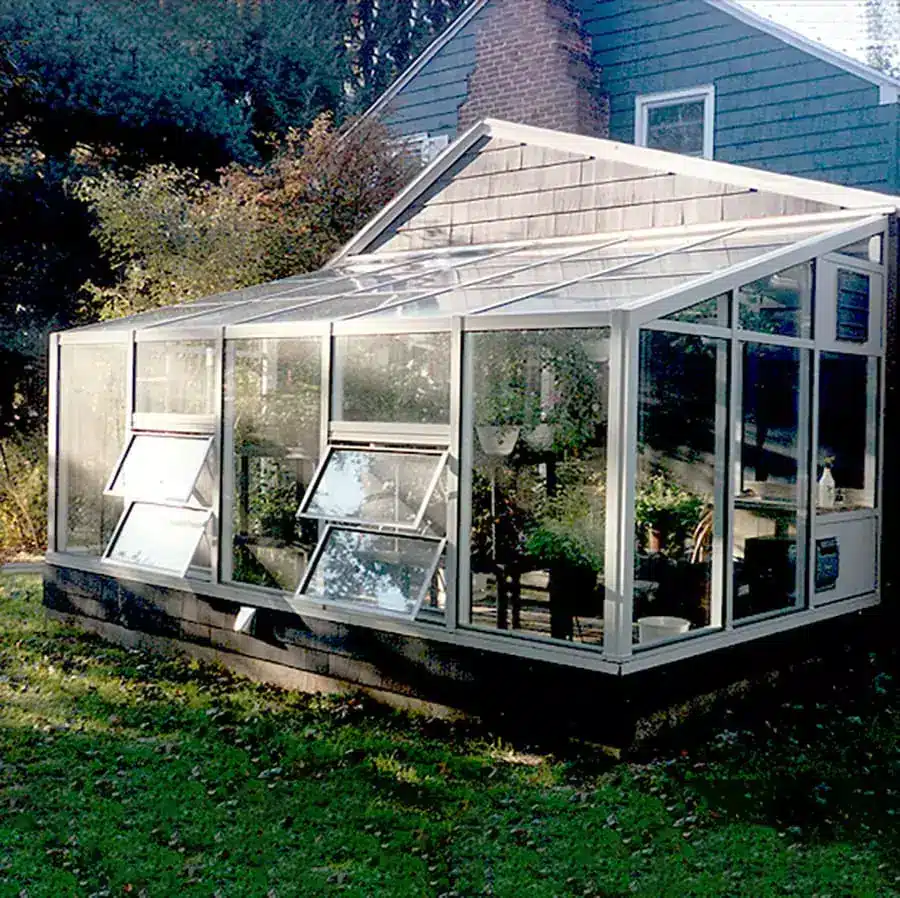
Adding a conservatory or an orangery is one of the most effective ways to create a new space in your home. If you’re looking to bring in more space and natural light, both options offer unique advantages. A conservatory typically features a fully glazed roof and walls, making it the perfect choice for those who want maximum natural light and a true connection to the outdoors. This design is ideal for a garden room, where you can enjoy your plants and garden views all year round.
On the other hand, an orangery offers a more solid roof—often with a striking roof lantern at its center—creating a space that feels more like a traditional extension but still benefits from plenty of daylight. Orangeries are known for being more thermally efficient, thanks to their solid roof and insulated structure, making them comfortable for year-round use. When deciding between a conservatory and an orangery, think about how you want to use your new space, your budget, and the architectural style of your home. Whether you’re dreaming of a sun-drenched garden room or a cozy, private retreat, both options can help you achieve the extra space you need.
1. What Is a Conservatory?
A conservatory was originally designed as a space for growing citrus trees and exotic plants in colder climates, providing a controlled environment for delicate species. It is a room made primarily of glass — both walls and roof — supported by a slender, insulated frame. This extensive use of glass makes the conservatory a classic glazed structure, maximizing light and views. Early conservatories often used aluminium frames for their practicality and durability. Traditionally, conservatories were designed to grow plants, showcase lush greenery, or serve as a bright retreat with panoramic views.
Common Traits of a Conservatory with a Glass Roof
- A glass roof (almost always)
- Glass walls for maximum sunlight
- Lightweight framing
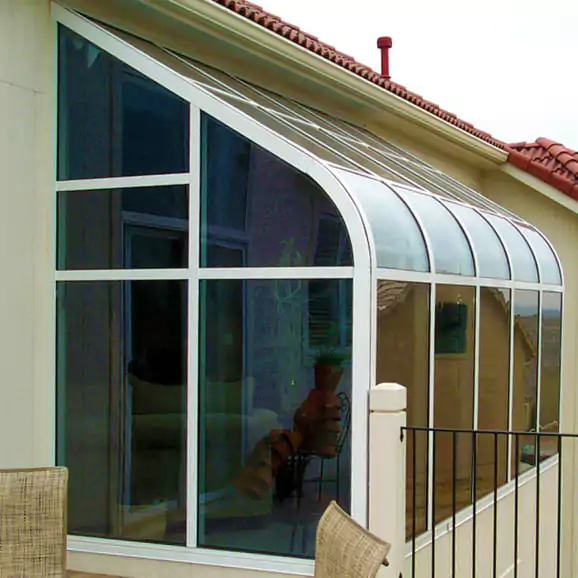
- Architectural styles: Victorian, Georgian, Edwardian, lean-to, and cathedral style sunrooms
- Ideal for homeowners who want full sunlight and outdoor views
Because they incorporate so much glass, homeowners often ask:
What type of glass is best for a sunroom or conservatory?
The answer is typically tempered or laminated Low-E glass, which provides insulation, UV protection, and durability.
Conservatories are perfect for people who love year-round plant growth, bright relaxation spaces, or architectural showpieces that mimic European design.
2. What Is an Orangery?
An orangery is a blend between a conservatory and a traditional extended living space. It is typically a brick structure with substantial brick walls and sometimes stone walls, emphasizing its solid construction. Orangeries are considered solid structures compared to conservatories, which are often fully glazed structures. Key features include large glass windows and tall windows that allow plenty of natural light, while brick pillars often support the roof and add to the orangery’s aesthetic. The roof is usually a solid roof, and a flat roof is a common design choice, enhancing both privacy and style. This construction makes an orangery warmer and able to retain more heat than a conservatory, making it more energy efficient. Orangeries can add more value or as much value to a property as other types of extensions, making them a popular type of home extension. They are often built as single storey extensions, so considering the available floor area is important during planning. While orangeries are not as cheap as some alternatives, whether an orangery is cheaper depends on the specific design and materials chosen. Homeowners choose orangeries for uses such as bright kitchen extensions or relaxing living spaces, especially in traditional homes where their design is highly compatible. Historically, orangeries were used to protect exotic plants, unlike fully glazed structures like the Crystal Palace. To set up the next section, it’s important to understand the differences between an orangery and a conservatory.
Common Traits of an Orangery
- A partially solid roof (often with a central glass lantern)
- Brick or solid walls around the lower portion
- More like a traditional room with enhanced natural light
- Great for heating and cooling, especially if you want to use a sunroom in winter
- Combines structure + sunlight for year-round living
Because an orangery includes more masonry and insulation, it’s typically easier to heat during colder months. Homeowners often wonder, “How do you heat a solarium or orangery in the winter?”
The best solutions include radiant flooring, mini-split HVAC units, and high-performance insulated glass.
3. Conservatory vs Orangery: The Key Differences
Here is a clear side-by-side comparison. The key difference between a conservatory and an orangery lies in their structure and materials, which is the main difference between an orangery and other glazed extensions.
| Feature | Conservatory | Orangery |
| Roof | Mainly glass, often a fully glazed structure | Part solid, part glass, often with solid roofs |
| Walls | Mostly glazed walls | Part brick or other solid structures with large glass windows |
| Light Level | Maximum sunlight due to glazed structure | Medium–high sunlight from large glass windows |
| Energy Efficiency | Good with Low-E glass | Excellent due to insulation; retains more heat and is more energy efficient |
| Use in Winter | Yes, with proper heating | Very comfortable year-round, retains more heat |
| Style | Airy, panoramic | Luxurious, more private, solid structures |
| Cost | Typically lower | Usually higher, but can add more value to your property |
If you’re trying to choose between a sunroom and a greenhouse, a conservatory leans closer to greenhouse functionality as a fully glazed structure, while an orangery feels more like a solid living extension with sunlight and large glass windows.
Understanding the Options
When it comes to expanding your home, understanding the differences between a conservatory and an orangery is key. Conservatories are glass structures, often built with a low brick base, designed to flood your home with natural light. Their large glass roofs and walls make them perfect for garden rooms, dining areas, or bright living spaces, and they can be customized to match a variety of architectural designs.
Orangeries, in contrast, are more substantial brick structures featuring large windows and a glass roof, often with a central roof lantern. This combination creates a space that feels more like a traditional room, offering greater energy efficiency and privacy. Orangeries can serve as an elegant extension of your home or even as standalone structures in your garden. When weighing the differences between a conservatory and an orangery, consider how much natural light you want, the level of privacy you need, and how the new space will blend with your existing home. If you live in a conservation area, an orangery’s brickwork and classic design may be the best fit for maintaining your property’s character.
Planning and Design
Careful planning and thoughtful design are essential for creating a conservatory or orangery that truly enhances your home. Start by considering the size, shape, and style that will best suit your needs and complement your property. Think about how much natural light you want to bring in, the level of insulation required for year-round comfort, and the type of glazing that will deliver the best performance.
It’s also important to familiarize yourself with local building regulations and planning permission requirements, especially if your home is in a conservation area or is a listed building. These rules can affect the design and placement of your new space, so it’s wise to consult with professionals who specialize in conservatories and orangeries. Choosing the right design team ensures your project meets all legal requirements and is built to a high standard. A well-planned conservatory or orangery not only creates valuable new space but can also add significant value to your home.
4. Do You Need a Permit for a Conservatory or Orangery?
Most homeowners ask: “Do I need a permit to build a solarium, conservatory, or orangery?”
In nearly all cases, yes — any structure that alters your home’s footprint or introduces new electrical/HVAC work requires a permit. Both conservatories and orangeries are considered types of home extension and are subject to relevant building codes. The floor area of your planned conservatory or orangery is a key factor in determining permit requirements, as regulations often depend on the size of the extension. Sunshine Rooms handles engineering drawings and navigates building codes that apply to sunroom construction, ensuring your project is safe, compliant, and built to last.
5. Construction & Installation Timeline
Whether you choose a conservatory or an orangery, the installation timeline depends on:
- Foundation type
- Glass customization
- System engineering
- Permitting
- Weather
For single storey extensions, such as orangeries and conservatories, the timeline may vary depending on the complexity and size of the project.
Many homeowners also ask, “How long does it take to install a sunroom?”Most projects take 4–10 weeks from design to completion, depending on size and complexity.
6. Cost Differences Between a Conservatory and Orangery
Costs vary based on glass selection, size, finishes, and structural needs. You may be comparing:
- How much does a solarium cost to build?
- What is the cost per square foot for a solarium?
- How much does a greenhouse addition cost?
- Is an orangery cheaper than a conservatory or traditional extension?
Generally:
- Conservatories are more glass-heavy, so cost is driven by glazing and framing.
- Orangeries are more solid, so cost includes masonry, structural beams, and insulation.
While orangeries typically cost more, in some cases an orangery can be cheaper than a traditional extension, but may be more expensive than a conservatory depending on materials and design. However, orangeries can add as much value to your home as other types of extensions, making them a worthwhile investment.
While orangeries typically cost more, they deliver higher energy efficiency, privacy, and all-season comfort.
7. Which One Has Better Lifespan?
Homeowners often ask:
“What is the lifespan of a modern solarium, conservatory, or orangery?”
With high-quality materials — especially those engineered by Sunshine Rooms — the lifespan often exceeds 30–40 years. Proper maintenance plays a huge role, including:
- Knowing how to clean solarium glass
- Preventing condensation
- Maintaining seals
- Inspecting roof channels
- Checking drainage systems
Structures built by Sunshine Rooms are engineered specifically to resist leaks, withstand harsh weather, and maintain efficiency for decades.
8. Style, Customization & Aesthetics
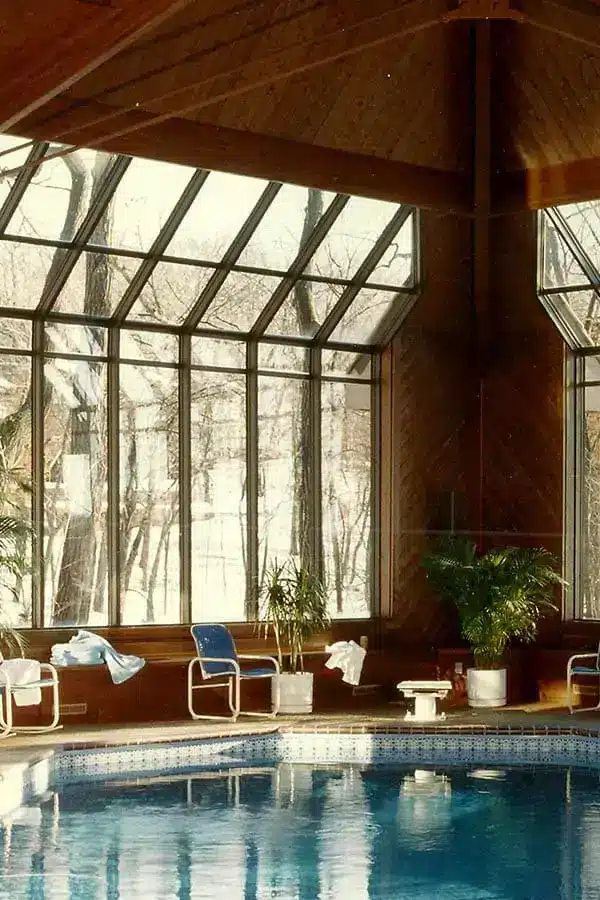
Whether you’re imagining a Victorian-style conservatory, a modern cathedral sunroom, or an elegant orangery with skylights, style selection is key. Certain roof and frame styles are especially well-suited to traditional homes, enhancing their classic appearance. Homeowners frequently ask:
- How do you choose the right size solarium or conservatory?
- What colors and finishes are available for sunroom frames?
- Can you add a solarium to an existing house?
- Can a solarium be built on a deck?
Homeowners choose specific features and finishes to match their personal style and functional needs. Sunshine Rooms can customize every detail — from frame color and glass type to roof style and orientation — ensuring your new structure blends seamlessly with your home’s architecture.
Maintenance and Upkeep
Keeping your conservatory or orangery in top condition is key to enjoying your investment for years to come. Regular maintenance includes cleaning the glass to maintain clear views and maximum natural light, inspecting frames and seals for any signs of wear, and addressing any minor repairs promptly. Modern conservatories and orangeries often feature low-maintenance materials, such as self-cleaning glass and durable frames, making upkeep easier than ever.
To boost energy efficiency, consider installing solar control glazing or upgrading to thermally efficient materials. These improvements help reduce heat loss and keep your space comfortable throughout the year. By staying on top of maintenance and choosing modern features, you can ensure your conservatory or orangery remains a beautiful, functional part of your home with minimal effort.
9. Which One Should You Choose?
Choose a conservatory if you want:
- Maximum sunlight
- A panoramic glass aesthetic
- A plant-friendly environment
- A bright, airy retreat
Choose an orangery if you want:
- A cozy, insulated living space
- A blend of glass + solid design
- Easier heating/cooling
- A luxurious, architectural extension
Both add value, but your lifestyle determines which is best.
Final Thoughts
Understanding the difference between a conservatory vs orangery helps you choose the perfect light-filled addition to your home. Whether you desire a lush plant space, a year-round family room, or a structural showpiece, Sunshine Rooms can design and engineer a custom solution built to last decades.
To explore your options or schedule a design consultation, visit sunshinerooms.com.
Related Posts

We Like to Hear From You!
We service and support the products we manufacture and install. If you need assistance with
our products or those of another sunroom manufacturer, contact us!