
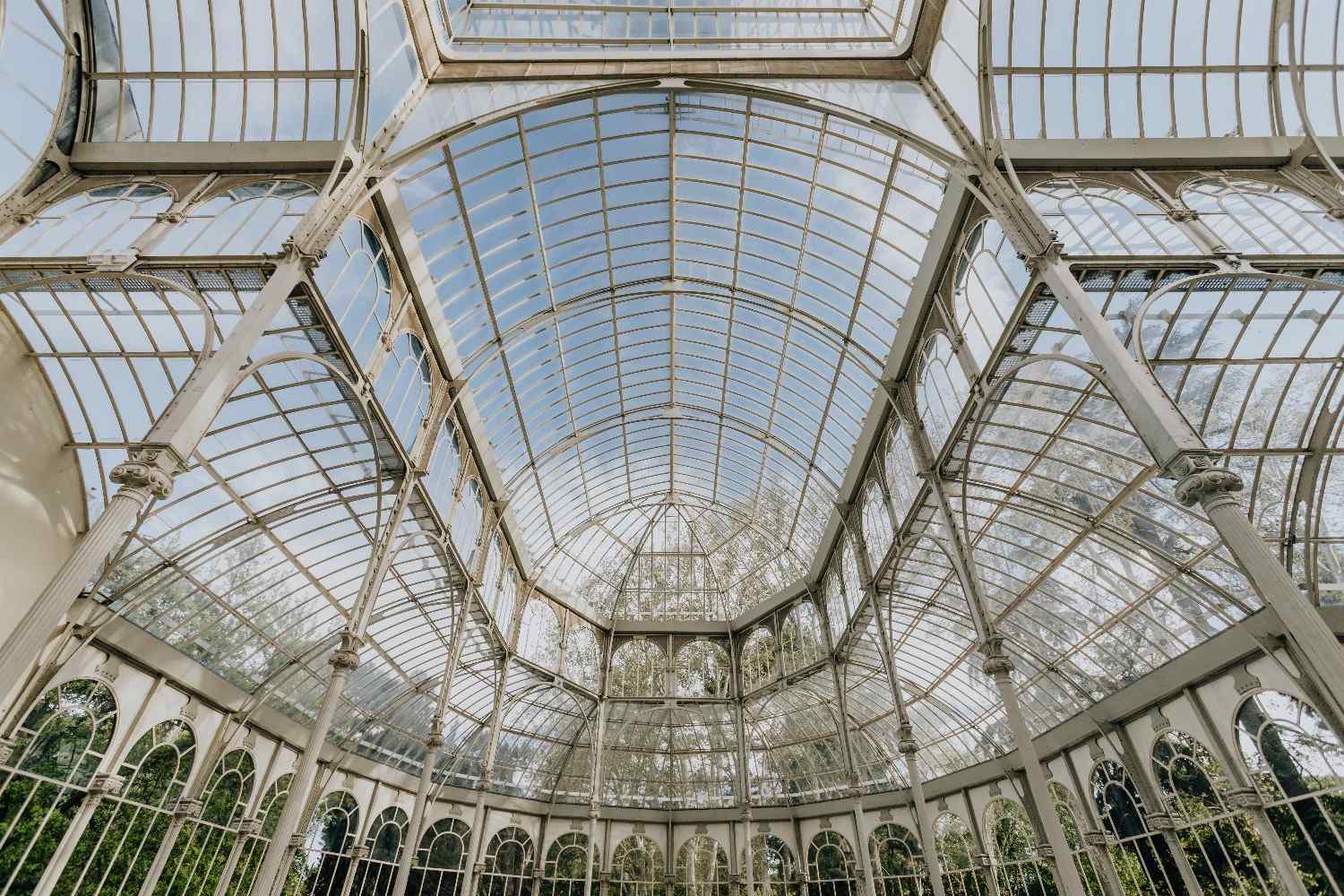
Walk into a cathedral style sunroom and the first thing you notice is the ceiling. Instead of a low, flat roofline overhead, the space opens up into a high, peaked vault that draws your eye upward and floods the room with light. It’s the design that makes a sunroom feel less like an add-on and more like a true architectural room.
But “cathedral style” is a specific roof configuration with particular strengths and trade-offs—not just a fancier sunroom. Here’s what defines the style, how it compares to the alternatives, and when it’s the right choice for your home.
The Defining Feature — A Peaked, Vaulted Roof
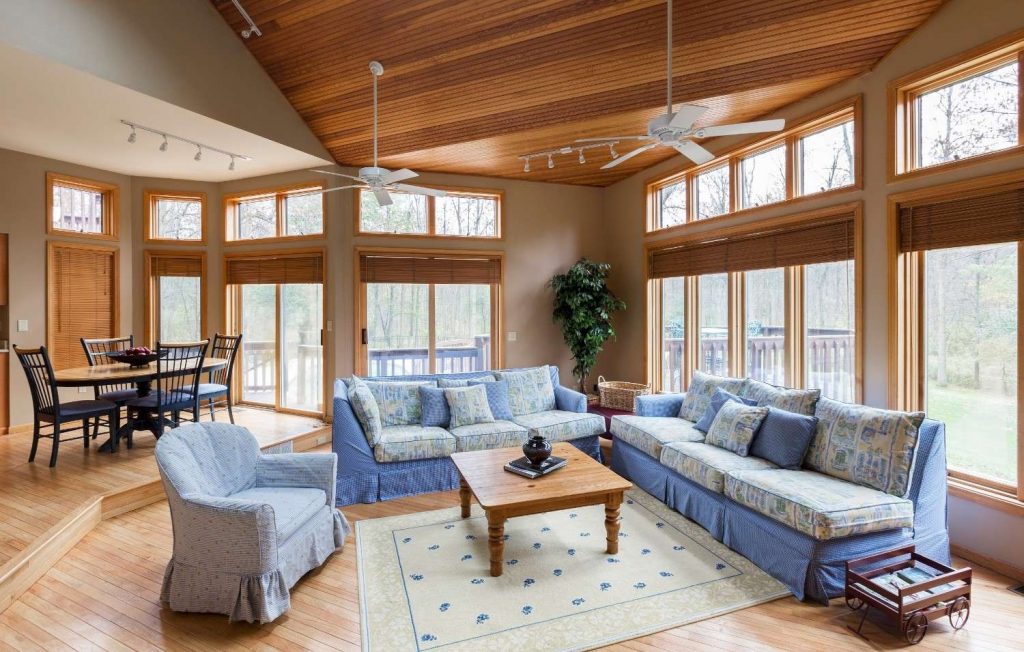
A cathedral style sunroom (also called a gable sunroom) has a roof that rises from both side walls to meet at a central ridge, creating a symmetrical peak. Inside, the underside of that roof is left open, producing a vaulted ceiling that follows the slope of the roof up to its highest point.
The name comes from the resemblance to cathedral architecture, where soaring, peaked ceilings create a sense of height and openness. In a sunroom, that same geometry transforms a modest footprint into a room that feels far larger and more dramatic than its square footage suggests.
The triangular wall section at the front of the room—where the two roof slopes meet—is called the gable end. In many cathedral sunrooms this gable is glazed, turning the entire peaked end into a wall of glass that maximizes light and views.
How It Differs From Other Sunroom Styles
Understanding the cathedral style is easiest when you see it next to the alternatives.
Cathedral (gable) vs. studio (shed). A studio or shed-style sunroom has a single-slope roof that pitches in one direction, creating a flat, angled ceiling inside. It’s simpler and more economical, but it lacks the height and volume of a cathedral roof. The studio style works well under existing eaves or where height is restricted; the cathedral style is the choice when you want drama and openness.
Cathedral vs. lean-to. A lean-to sunroom is a specific type of single-slope design where the roof leans against the house wall at a shallow angle. Like the studio style, it’s lower-profile and budget-friendly, but it can’t deliver the vaulted ceiling that defines the cathedral look.
Cathedral vs. conservatory. A conservatory typically uses an ornate, multi-faceted design with decorative roof detailing and period styling. A cathedral sunroom shares the high, glass-filled feel but in a cleaner, more contemporary form—a peaked roof without the Victorian ornamentation.
In short, the cathedral style sits at the premium end of straightforward sunroom designs: more height, more glass, and more architectural presence than a shed or lean-to, without the decorative complexity of a full conservatory.
The Benefits of a Cathedral Roof
The peaked design isn’t just about looks. The geometry delivers real, practical advantages.
A sense of volume and grandeur. The vaulted ceiling makes the room feel expansive and luxurious. A 200-square-foot cathedral sunroom feels considerably larger than the same footprint under a flat roof.
More natural light. The added roof height allows for taller glass walls and, often, a glazed gable end or roof glass near the peak. Light enters from higher angles and reaches deeper into the room and the adjoining house.
Better warm-weather comfort. Hot air rises. In a cathedral sunroom, that heat collects high above head height near the ridge, leaving the living area below more comfortable. Pairing the peak with ridge or high-wall venting lets that hot air escape naturally—an effective passive cooling strategy in summer.
Architectural integration. A peaked roof can be designed to echo the gable lines of the main house, helping the sunroom read as an intentional part of the home rather than a tacked-on box.
Design and Glazing Options
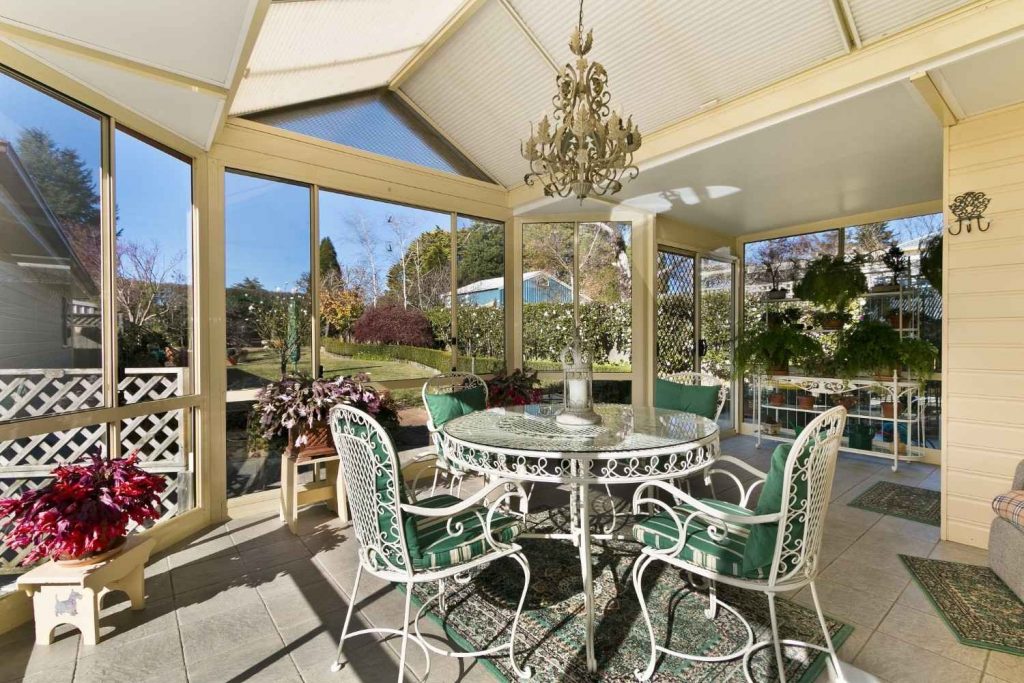
A cathedral sunroom offers several choices that shape both its look and its performance.
Glazed gable end. Filling the triangular gable with glass creates a striking floor-to-peak window wall. It maximizes light and views but adds glass area that needs to perform thermally, so Low-E insulated glazing matters here.
Solid vs. glass roof. The peaked roof can be built as a solid, insulated structure with skylights, or as a full glass roof for maximum light. A solid insulated roof is more energy-efficient and easier to climate-control; a glass roof delivers the brightest, most open feel at a higher cost. Many homeowners choose a solid roof with strategically placed roof glass as a balance.
Ridge and ventilation. Operable roof vents or ridge venting near the peak take advantage of rising hot air for natural cooling—a feature that’s easier to incorporate in a cathedral design than in a low-slope one.
Framing and finishes. Thermally broken aluminum framing keeps sightlines slim while preventing the heat loss and condensation that plague older metal-framed rooms. Interior framing finishes can be matched to the home’s trim for a seamless look.
What to Consider Before You Build
The cathedral style’s strengths come with a few trade-offs worth planning for.
Cost. The taller walls, peaked roof framing, larger glass area, and more complex construction make a cathedral sunroom more expensive than a comparable shed or lean-to design. You’re paying for the added height and volume.
Climate control. A larger interior volume means more air to heat and cool. For four-season use, the space needs properly sized heating and cooling and good insulation—especially if the roof or gable is heavily glazed. The same rising-heat effect that aids summer cooling can make the room slower to warm in winter without adequate heating.
Site and roofline fit. A peaked roof needs vertical clearance and a sensible connection to the house. On a single-story home with low eaves, fitting a tall cathedral roof takes careful design so it doesn’t overwhelm the existing structure.
Is a Cathedral Style Sunroom Right for You?
A cathedral style sunroom is the choice when you want a glass room that feels open, bright, and architecturally substantial—a space defined by its soaring vaulted ceiling and abundant light rather than a simple, low-profile add-on. It costs more than a shed or lean-to design and asks for thoughtful climate planning, but it delivers a room with genuine presence.
The right design depends on your home’s architecture, your climate, and how you plan to use the space year-round. If you’re drawn to the vaulted look and want to know how a cathedral style sunroom would fit your home, the team at Sunshine Rooms can help you weigh the options and design one built to perform in every season.
Related Posts

We Like to Hear From You!
We service and support the products we manufacture and install. If you need assistance with
our products or those of another sunroom manufacturer, contact us!