
Seals are the unsung heroes of a sunroom. They’re what keep heat in, water out, and drafts away—and because they’re easy to ignore until something goes wrong, they’re also the component most likely to fail quietly. A failed seal doesn’t just hurt comfort; it opens the door to water intrusion, frame corrosion, and energy loss.
So how long do sunroom seals actually last? The honest answer is that “seals” aren’t one thing. A sunroom has several different types, each with its own lifespan ranging from about 5 to 20 years. Here’s what to expect from each, what shortens their life, and how to tell when replacement is due.
A Sunroom Has Several Different Seals
Before talking about lifespans, it helps to know what you’re actually dealing with. The word “seal” covers at least four distinct components in a sunroom, and they don’t wear out on the same schedule.
- Weatherstripping — the flexible gaskets around operable doors and windows
- Insulated glass unit (IGU) seals — the hidden edge seal that bonds the panes of a double- or triple-pane glass unit
- Caulk and sealant — the bead at frame joints and glass-to-frame connections
- Roof and flashing seals — the sealant where the roof meets the house and where roof panels join
Each fails differently and on its own timeline, so it’s worth understanding them individually rather than expecting them all to go at once.
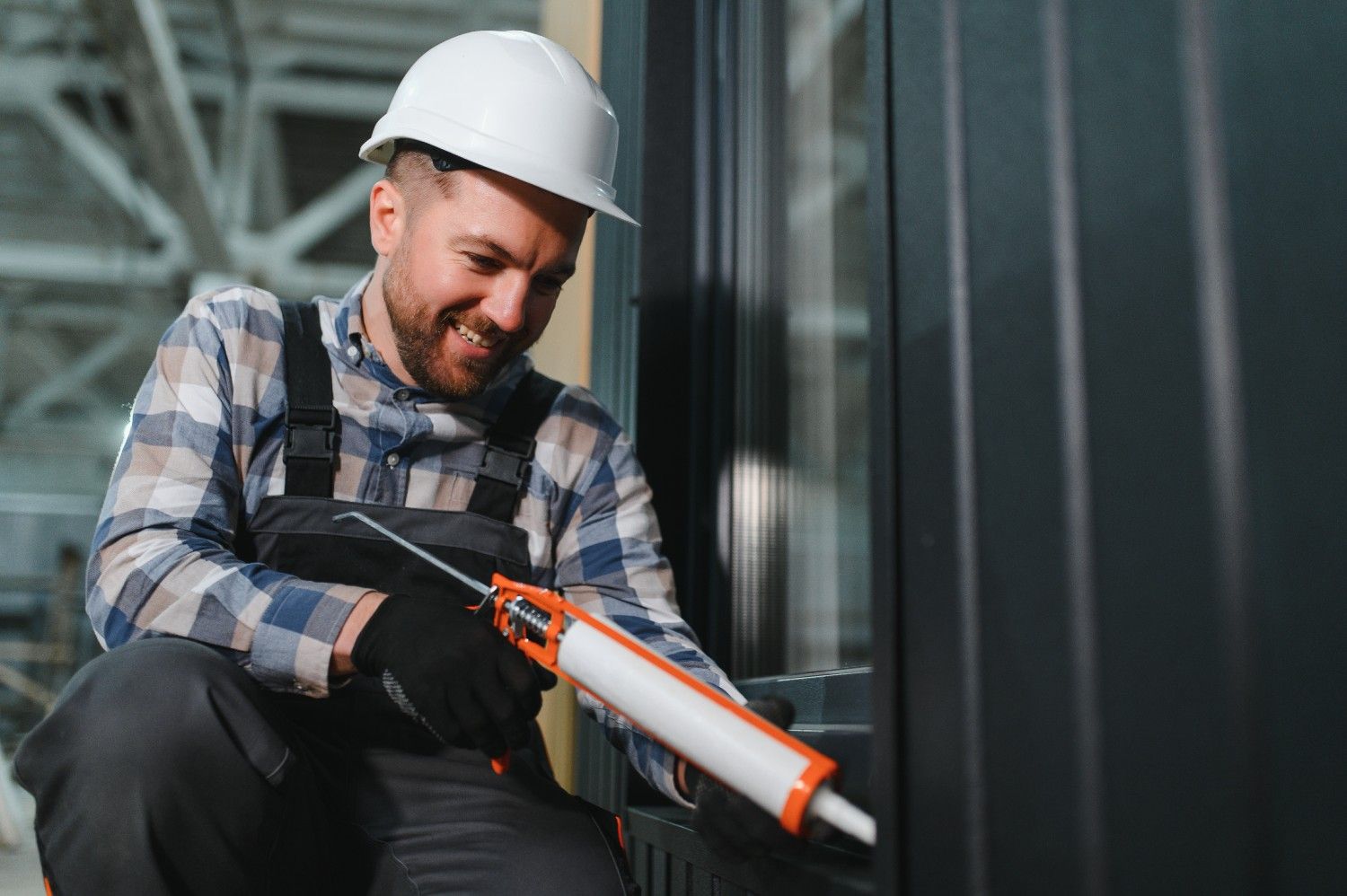
Weatherstripping — 5 to 10 Years
Weatherstripping is the rubber or foam gasket that compresses when you close a door or window, sealing out drafts and rain. It’s the seal you interact with most and, because it’s constantly compressed and exposed to the elements, one of the first to wear.
Typical lifespan: 5 to 10 years. In a sunroom, sustained UV exposure and large daily temperature swings harden and crack the material faster than in a shaded part of the house. High-traffic doors wear faster than rarely-opened windows.
How it fails: the material flattens, hardens, cracks, or peels away, so it no longer compresses into a tight seal. You’ll feel drafts near closed openings or see daylight around the edge. The good news is that weatherstripping is among the cheapest and easiest seals to replace.
Insulated Glass Unit (IGU) Seals — 10 to 20 Years
This is the seal most people don’t know exists until it fails. The edge of every double- or triple-pane glass unit is bonded with a sealant that keeps the insulating gas (or dry air) sealed between the panes. When that seal degrades, the unit loses its insulating value and moisture works its way in.
Typical lifespan: 10 to 20 years. Quality of the original unit, climate, and heat exposure all move the number within that range. A south- or west-facing solarium roof unit, baking in direct sun and cycling through big temperature swings, tends toward the lower end.
How it fails: the unmistakable sign is fogging or condensation between the panes—moisture you can’t wipe away because it’s sealed inside the glass. You may also see a hazy film or, in cold weather, frost inside the unit. Once an IGU seal fails, the glass unit itself usually has to be replaced (typically $150 to $400 per unit); the seal can’t be repaired in place. Catching and replacing a failed unit promptly prevents the energy loss from spreading across your heating and cooling bills.
Caulk and Sealant at Joints — 5 to 7 Years
The bead of caulk or sealant at frame joints and glass-to-frame connections is your room’s defense against water finding its way into the structure. It’s a consumable seal—designed to be reapplied periodically, not to last the life of the room.
Typical lifespan: 5 to 7 years before reapplication. Quality silicone lasts longer than cheaper acrylic-latex caulk, and shaded joints outlast sun-exposed ones.
How it fails: the bead shrinks, cracks, hardens, or pulls away from the surface, leaving hairline gaps. These small gaps become water pathways that lead to frame corrosion, wood rot, and flooring damage over time—which is why inspecting joints every couple of years and re-sealing on schedule is far cheaper than repairing the damage that follows.
Roof and Flashing Seals — 10 to 20 Years
Where the sunroom roof meets the house wall, and where roof panels join one another, sealant and flashing work together to keep water out. Because the roof takes the brunt of rain, sun, and snow, these seals are critical—and failures here are the most damaging because water enters from above.
Typical lifespan: 10 to 20 years for quality silicone-based sealant, though flashing seams should be inspected twice a year and after major storms because failures here often stay invisible until damage has already spread below the entry point.
How it fails: cracked or separated sealant at flashing seams, lifted flashing edges, or sealant breakdown at inter-panel seams on a glass roof. Any gap should be re-sealed immediately—roof leaks are the costliest seal failures to ignore.
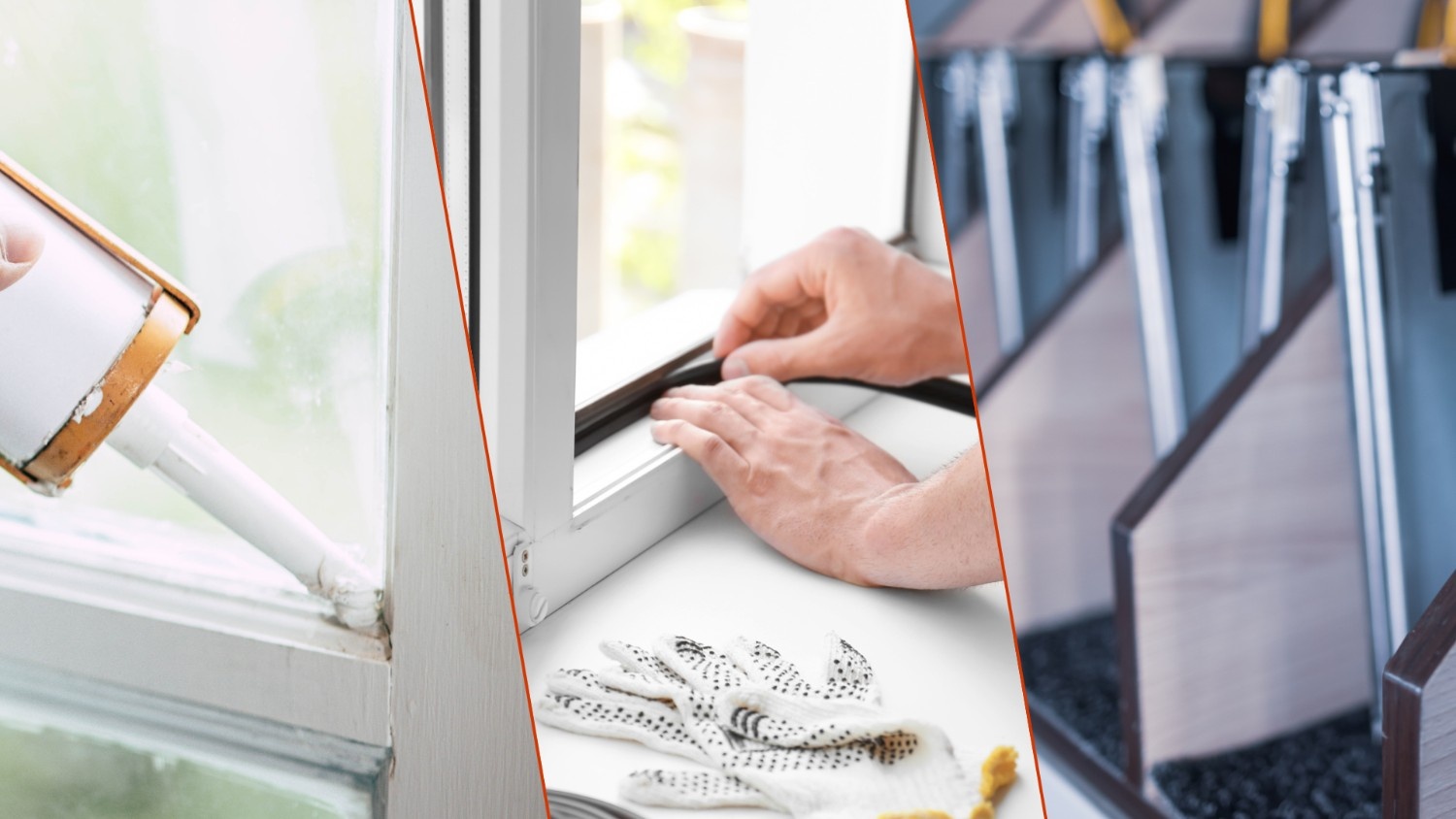
What Shortens Seal Life
Two identical sunrooms can see very different seal lifespans depending on conditions and care. The biggest accelerants:
- Sun and heat. UV radiation and large temperature swings are the primary enemies of every seal type. South- and west-facing glass and roof glazing age fastest.
- Moisture and humidity. Rooms with heavy condensation—from plants, hot tubs, or poor ventilation—stress seals and accelerate failure. Managing interior humidity directly extends seal life.
- Movement. Structural movement, especially in wood-framed rooms that swell and shrink with moisture, breaks the bond at sealed joints.
- Pressure washing. High-pressure water forces its way behind seals and is prohibited by virtually every sunroom manufacturer. It’s one of the fastest ways to cause hidden seal damage.
- Original quality. Cheaper weatherstripping, caulk, and glass units simply don’t last as long. Better materials cost more up front and pay back in years of added service.
Staying Ahead of Seal Failure
The practical takeaway: plan on replacing weatherstripping every 5 to 10 years, re-sealing caulked joints every 5 to 7 years, and expecting IGU and roof seals to last 10 to 20 years—sooner on heavily sun-exposed glass. Twice-yearly inspections in spring and fall catch most problems while they’re cheap fixes rather than structural repairs. For a full seasonal routine that keeps seals and the rest of the room in good shape, see our guide to solarium maintenance requirements.
If you’ve spotted fogging between panes, drafts at closed doors, or cracked sealant at the roofline and want a professional assessment, the team at Sunshine Rooms can evaluate your seals and handle replacement before a small failure turns into water damage.
Related Posts


We Like to Hear From You!
We service and support the products we manufacture and install. If you need assistance with
our products or those of another sunroom manufacturer, contact us!